What Real Recovery Looks Like: Rethinking Health Standards in Modern Medicine
What does it truly mean to be "healthy"? After years of chasing quick fixes and symptom relief, I realized recovery isn’t just about feeling better—it’s about meeting real, science-backed health standards. Through Western medical approaches and personal testing, I discovered how measurable benchmarks guide lasting healing. This journey changed my perspective on rehabilitation, and I’m sharing it to help you understand what effective, grounded recovery really looks like—no hype, just truth. It’s not enough to say you feel fine; the body speaks through data, and listening to it can make the difference between temporary relief and lifelong wellness. This is the path from surviving to thriving, built on clarity, consistency, and clinical insight.
The Hidden Gap in Modern Recovery
In today’s fast-paced world, many people equate recovery with the disappearance of pain or the ability to resume daily routines. A doctor clears them for work after a back injury, a prescription resolves acid reflux, or a few physical therapy sessions ease knee discomfort. On the surface, healing appears complete. Yet, months or even weeks later, the same symptoms return—sometimes worse than before. This pattern reveals a critical gap in modern recovery: the difference between symptom management and true physiological restoration. Too often, treatment stops when discomfort fades, not when the body has actually returned to optimal function. The problem lies in mistaking relief for recovery. Real healing goes beyond how someone feels in the moment; it requires objective evidence that tissues have repaired, inflammation has subsided, and systems are operating within normal parameters. Without this distinction, patients may unknowingly return to activity too soon, setting the stage for reinjury, chronic conditions, or long-term decline.
Western medicine has developed precise health standards to close this gap—measurable benchmarks that define what successful recovery looks like. These include lab values such as C-reactive protein levels to assess inflammation, range-of-motion measurements for joint injuries, cardiac output tests after heart events, and strength assessments following surgery. These markers are not arbitrary; they are grounded in decades of clinical research and population studies. For example, after a rotator cuff repair, full recovery isn’t declared when shoulder pain disappears—it’s confirmed when strength returns to at least 85% of the unaffected side and when functional tests like the "empty can" maneuver show normal muscle activation. Similarly, after a mild heart attack, discharge from cardiac rehab doesn’t mean the patient feels fine—it means their ejection fraction has stabilized, blood pressure is controlled, and they can walk on a treadmill at a target heart rate without distress. These standards exist to protect patients from the illusion of wellness.
Unfortunately, many individuals never learn about these benchmarks. They rely solely on subjective feedback—"I’m not limping anymore," or "My stomach feels better"—without knowing whether underlying issues persist. This lack of awareness can lead to premature resumption of physical demands, poor long-term outcomes, and repeated visits to healthcare providers. The solution is not to distrust medical professionals but to understand that recovery is a process with defined milestones. When patients and providers align around measurable goals, healing becomes more predictable, sustainable, and transparent. Recognizing this gap is the first step toward demanding better care and achieving results that last.
How Western Medicine Defines Health: Beyond Feeling Fine
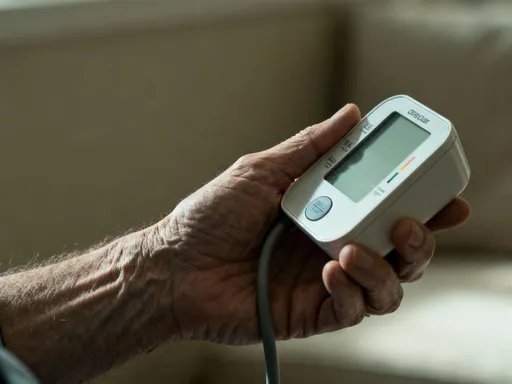
In clinical practice, health is not defined by how someone reports they feel, but by what can be observed, measured, and verified. Doctors use a structured framework to evaluate recovery, one built on objective diagnostics and evidence-based thresholds. This system ensures consistency across treatments and allows for accurate comparisons over time. Vital signs—blood pressure, heart rate, respiratory rate, and temperature—serve as the first line of assessment. While seemingly basic, these metrics offer immediate insight into the body’s stability. A normal resting heart rate between 60 and 100 beats per minute, for instance, suggests cardiovascular efficiency, while persistent hypertension may indicate unresolved stress on the circulatory system, even in the absence of symptoms.
Beyond vital signs, laboratory tests provide deeper insight into internal function. Blood work can reveal inflammation through markers like erythrocyte sedimentation rate (ESR) and C-reactive protein (CRP). Elevated levels may persist long after pain has subsided, signaling that healing is incomplete. Similarly, hemoglobin A1c levels indicate average blood sugar control over three months, crucial for managing diabetes and preventing complications. Liver and kidney function tests show how well the body is processing medications and eliminating waste—information vital after prolonged treatment or illness. Imaging studies such as X-rays, MRIs, and ultrasounds allow physicians to visualize structural changes. A healed bone fracture may no longer cause pain, but only an X-ray can confirm proper alignment and callus formation. In neurological recovery, MRI scans can detect residual swelling or scar tissue that might not yet manifest in symptoms but could lead to future issues if ignored.
Functional assessments are equally important, especially in rehabilitation. Gait analysis, balance testing, and strength measurements help determine whether movement patterns have returned to normal. For example, after a hip replacement, clinicians assess stride length, pelvic tilt, and muscle symmetry using motion-capture technology or simple observational tools. Cardiopulmonary exercise tests measure oxygen uptake (VO2 max), which reflects cardiovascular fitness and endurance. These tests are not reserved for athletes; they are standard in post-surgical and chronic disease management. The key principle is that feeling better is not the same as being better. True health requires alignment across multiple domains: structural integrity, biochemical balance, and functional capacity. When all three are within established norms, recovery is not assumed—it is confirmed.
My Experience: Chasing Numbers, Not Just Symptoms
Several years ago, I underwent surgery to repair a torn meniscus in my right knee. At the time, I was active, walked without significant pain, and assumed I would recover quickly. My surgeon advised physical therapy, and after six weeks, I felt much improved. I could walk without a limp, climb stairs comfortably, and even resume light gardening. My physical therapist said I was "doing great," and I expected to be cleared for full activity soon. But during a follow-up appointment, my orthopedic specialist ordered a series of functional tests I hadn’t anticipated: isokinetic strength testing, gait analysis, and a step-down assessment to measure neuromuscular control. The results were surprising. While my pain had decreased, my quadriceps strength on the injured side was still 20% weaker than the other leg, and my gait showed subtle asymmetry under load. My recovery, though subjectively successful, was objectively incomplete.
This moment shifted my understanding of healing. I had been focused on how I felt, but my body hadn’t yet met the clinical benchmarks for full recovery. My doctor explained that returning to high-demand activities—like hiking or carrying heavy loads—before meeting these standards increased my risk of re-injury or developing early osteoarthritis. Instead of discharging me, he extended my rehabilitation plan with targeted strength training and proprioception exercises. Over the next eight weeks, I worked closely with my physical therapist, tracking progress through repeat measurements. Each session included timed stair climbs, single-leg squats, and strength comparisons. Gradually, the numbers improved. By the three-month mark, my strength deficit had dropped to 5%, my gait normalized, and I passed all functional tests. Only then was I cleared for unrestricted activity.
What made this experience transformative was the reliance on data rather than perception. There were days I felt "ready" long before the metrics supported it, and other days I felt discouraged despite measurable gains. But the numbers provided an objective roadmap, removing guesswork and emotional bias. I learned to trust the process because it was transparent and evidence-based. This journey taught me that collaboration with healthcare providers is most effective when patients understand the standards being used. Asking questions like "What are the benchmarks for full recovery?" or "When will we test my progress?" turned me from a passive recipient into an informed participant in my own healing.
Why Standards Prevent Relapse and Build Resilience
One of the most compelling reasons to adhere to established health benchmarks is their proven role in preventing relapse. Studies consistently show that patients who meet functional recovery criteria are significantly less likely to experience setbacks. In orthopedic rehabilitation, for example, research published in the Journal of Orthopaedic & Sports Physical Therapy found that athletes who returned to sport only after achieving 90% strength symmetry between injured and uninjured limbs had a 60% lower reinjury rate compared to those who returned earlier. Similarly, in cardiac rehabilitation, patients who complete monitored exercise programs and achieve target fitness levels reduce their risk of subsequent heart events by up to 30%, according to the American Heart Association. These outcomes are not accidental—they result from structured, data-driven protocols that prioritize long-term stability over short-term convenience.
The mechanism behind this protection is straightforward: gradual, monitored progress allows the body to rebuild strength, coordination, and endurance in a sustainable way. When recovery stops at symptom relief, underlying weaknesses remain. A back pain patient may stop therapy once discomfort fades, but if core stability and posture control haven’t been restored, the spine remains vulnerable. Over time, repetitive stress can lead to disc degeneration or nerve compression. In contrast, a standards-based approach ensures that each phase of healing builds on the last. Physical therapists use progressive loading, where resistance and complexity increase only when previous thresholds are met. This method mirrors how the body naturally adapts to stress—through controlled, incremental challenge.
Moreover, meeting health benchmarks fosters physiological resilience. The body learns to handle physical demands more efficiently, reducing wear and tear on joints, muscles, and organs. For middle-aged and older adults, this is especially important. As natural repair processes slow with age, incomplete recovery can accelerate functional decline. A seemingly minor ankle sprain, if not fully rehabilitated, can alter walking mechanics and increase fall risk years later. By adhering to recovery standards, individuals not only heal from the current injury but also strengthen their overall health infrastructure. This preventive dimension of rehabilitation transforms it from a reactive service into a proactive investment in long-term well-being.
The Role of Doctors: Gatekeepers of True Recovery
Physicians play a crucial role in guiding patients toward complete recovery, acting as both diagnosticians and decision-makers. Their responsibility extends beyond treating illness—they must also confirm when health has been restored. This dual role makes them gatekeepers of true recovery. Doctors use a combination of clinical guidelines, diagnostic tools, and professional judgment to determine whether a patient is ready to resume normal activities. They interpret lab results, review imaging studies, and evaluate functional test outcomes to make evidence-based decisions. For example, after pneumonia, a patient may feel well enough to return to work after a week, but a follow-up chest X-ray may still show residual inflammation. In such cases, the physician may recommend continued rest and monitoring, preventing premature exertion that could lead to relapse.
Medical supervision is not limited to acute conditions. In chronic disease management, such as diabetes or hypertension, doctors rely on regular check-ups and biomarker tracking to adjust treatment and assess control. An A1c level below 7% indicates good glucose management, but if it rises above that threshold, interventions are adjusted even if the patient reports feeling fine. This emphasis on objective data ensures that care remains aligned with long-term health goals. Similarly, in post-surgical care, surgeons often require clearance from physical therapy teams before approving return to sports or heavy labor. This interdisciplinary coordination reinforces the idea that recovery is a team effort, with the physician serving as the final validator of readiness.
Patients benefit most when they view their doctors not as authority figures to be obeyed without question, but as partners in a shared goal: achieving full restoration. Open communication about recovery criteria, expected timelines, and follow-up testing strengthens this partnership. When patients understand why certain tests are ordered or why discharge is delayed, they are more likely to comply with recommendations and less likely to feel frustrated by perceived delays. Trust is built not through speed, but through transparency and consistency. By upholding rigorous standards, physicians protect patients from the consequences of incomplete healing and uphold the integrity of medical care.
How to Advocate for Full Rehabilitation (Not Just Quick Fixes)
Navigating the healthcare system can feel overwhelming, especially when recovery timelines are uncertain. However, patients can take practical steps to ensure they receive thorough rehabilitation rather than premature discharge. The first step is to ask informed questions. During follow-up appointments, it is appropriate to inquire about the specific criteria used to define full recovery. Phrases like "What tests will confirm I’m healed?" or "Are there strength or mobility benchmarks I should meet before returning to daily tasks?" signal engagement and encourage providers to share their assessment framework. Many clinicians appreciate patients who seek clarity, as it leads to better adherence and outcomes.
Requesting follow-up diagnostics is another way to advocate for complete care. If symptoms improve but functional limitations remain—such as difficulty lifting objects, reduced stamina, or stiffness in movement—patients should discuss whether additional testing is warranted. For example, after a wrist fracture, a follow-up X-ray ensures proper bone alignment, while grip strength testing assesses functional recovery. Similarly, after digestive issues, a repeat blood panel may reveal lingering nutrient deficiencies even if bloating has resolved. These tests provide concrete evidence of progress and help identify hidden gaps in healing.
Understanding personal health metrics empowers patients to track their own recovery. Keeping a simple log of pain levels, activity tolerance, and any test results creates a timeline that can be reviewed with healthcare providers. Some clinics offer patient portals where lab reports and imaging summaries are accessible, allowing individuals to stay informed. While patients should not interpret complex data independently, familiarity with key indicators—such as cholesterol levels, inflammatory markers, or joint range of motion—enables more meaningful conversations. The goal is not to challenge medical authority, but to participate actively in care decisions. By doing so, patients increase the likelihood of achieving lasting recovery and reduce the risk of future complications.
Redefining Success: From Survival to Thriving
True recovery should not be measured solely by the ability to return to previous routines, but by the capacity to exceed them. For too long, success has been defined as survival—making it through surgery, enduring treatment, or managing symptoms well enough to function. But this mindset sets a low bar. Real success means building a body that is stronger, more resilient, and better equipped to handle life’s demands. This shift—from surviving to thriving—requires a new definition of healing: one that values durability over convenience, function over appearance, and long-term wellness over short-term relief. It means viewing recovery not as an endpoint, but as the foundation for a healthier future.
Meeting clinical health standards is the first step in this transformation. These benchmarks are not obstacles to freedom, but pathways to greater independence. When a patient regains full joint mobility, they reduce the risk of arthritis. When inflammation markers normalize, they lower the likelihood of chronic disease. When cardiovascular endurance improves, they enhance energy, sleep, and mental clarity. Each metric achieved contributes to a broader picture of vitality. Moreover, this approach fosters a proactive mindset. Instead of waiting for problems to arise, individuals learn to monitor their health continuously, seeking early intervention when deviations occur.
Ultimately, respecting medical standards is not about rigid compliance—it’s about self-respect. It is a commitment to honoring the body’s need for complete repair, especially during the vulnerable period after illness or injury. For women in their 30s to 50s, who often prioritize family and work over personal health, this message is particularly important. Taking the time to heal fully is not selfish; it is necessary for sustained energy, emotional balance, and long-term independence. By redefining success, we move beyond the cycle of recurring issues and embrace a vision of health that is measurable, meaningful, and lasting. Recovery, when done right, is not just a return to normal—it is the beginning of something better.