Salt, Screens & Self: What My Blood Pressure Monitor Taught Me
Living with high blood pressure used to feel invisible—until I started tracking it daily. What I discovered shocked me: my salt habits were silently shaping my health. This isn’t just about cutting back on table salt; it’s about awareness, consistency, and small choices adding up. Through regular monitoring, I saw real changes and gained control. I no longer waited for symptoms to tell me something was wrong. Instead, I learned to listen to the numbers. What began as a routine health concern turned into a deeper understanding of how everyday decisions affect long-term well-being. This journey wasn’t about drastic diets or medical interventions. It was about paying attention—and realizing that the quietest changes can have the loudest impact.
The Wake-Up Call: When Numbers Speak Louder Than Symptoms
For years, I felt perfectly fine. I managed a busy household, kept up with family responsibilities, and stayed active enough to believe I was healthy. There were no chest pains, no shortness of breath, no obvious red flags. But during a routine physical, my doctor paused after reading the blood pressure cuff results. My numbers were consistently above 140 over 90—solidly in the high range. That moment was a wake-up call. I had no idea I was at risk. Hypertension, often called the ‘silent killer,’ doesn’t announce itself with dramatic symptoms. It creeps in quietly, damaging blood vessels, straining the heart, and increasing the risk of serious health events—all without making its presence known.
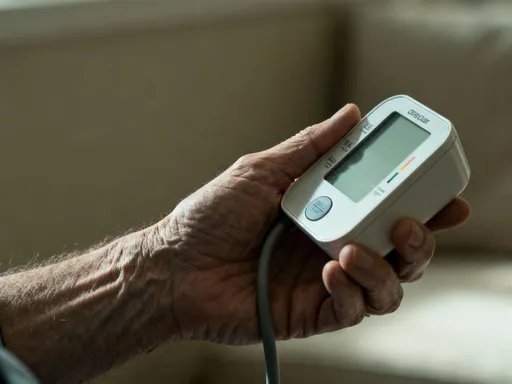
What surprised me most was how common this experience is. According to the Centers for Disease Control and Prevention, nearly half of all adults in the United States have high blood pressure, and many don’t know it. The danger lies in the delay—by the time symptoms appear, such as headaches, dizziness, or vision changes, internal damage may already be underway. That’s why early detection is so critical. Without regular monitoring, people can live for years unaware that their cardiovascular system is under constant stress. My doctor recommended lifestyle changes and suggested I begin tracking my blood pressure at home. I purchased a digital monitor, learned how to use it correctly, and committed to taking readings at the same time each day.
Within weeks, a pattern emerged. Some days my numbers were within a healthier range; other days, they spiked unexpectedly. At first, I struggled to understand why. Was it stress? Lack of sleep? Then I began to notice a connection between what I ate and how my body responded. Meals high in processed foods or restaurant takeout were often followed by higher evening readings. This realization marked a turning point. For the first time, I wasn’t guessing about my health—I was seeing it in real time. The monitor became more than a device; it became a teacher, revealing the invisible consequences of daily choices.
Why Salt? Understanding the Science Behind Sodium and Blood Pressure
The link between salt and blood pressure isn’t folklore—it’s rooted in physiology. Sodium, a key component of table salt, plays an essential role in the body. It helps regulate fluid balance, supports nerve function, and enables muscle contractions. But when consumed in excess, sodium disrupts the body’s natural equilibrium. The kidneys, which filter excess sodium from the bloodstream, can only process so much. When intake exceeds capacity, sodium accumulates in the blood. This draws in water, increasing blood volume. With more fluid moving through the arteries, pressure against the vessel walls rises—just like turning up the flow in a garden hose increases pressure inside the tube.
Over time, this elevated pressure damages the delicate lining of blood vessels. The walls may thicken, lose elasticity, or develop microtears, making them more prone to plaque buildup. The heart, now working harder to pump blood through a higher-resistance system, can become enlarged or weakened. These changes increase the risk of heart disease, stroke, and kidney problems. Research consistently supports this chain of events. A major study published in The New England Journal of Medicine estimated that reducing sodium intake on a population level could prevent millions of cardiovascular deaths worldwide over a decade. The evidence is clear: lowering sodium intake leads to meaningful reductions in blood pressure, especially among individuals who are salt-sensitive—those whose bodies react more strongly to sodium.
It’s important to note that not everyone responds to salt in the same way. Genetics, age, ethnicity, and underlying health conditions can influence sensitivity. However, because it’s difficult to know who is sensitive without testing, health organizations recommend a precautionary approach. The American Heart Association advises no more than 2,300 milligrams of sodium per day—and ideally, closer to 1,500 mg for most adults, particularly those with existing hypertension. Yet, the average American consumes over 3,400 mg daily, far exceeding recommended limits. The majority of this sodium doesn’t come from the salt shaker. It comes from processed and prepared foods, often hidden in items that don’t even taste salty.
From Blind Guessing to Clear Data: How Tracking Changed My Behavior
Before I started monitoring my blood pressure, I operated on assumptions. I thought I ate fairly well. I avoided adding salt at the table and tried to cook from scratch. But assumptions aren’t data—and data told a different story. When I began recording my readings each morning and evening, I started to see trends. Days when I ate canned soup or frozen meals often ended with readings 10 to 15 points higher than usual. Even seemingly healthy choices, like store-bought salad dressings or deli turkey, contributed to the pattern. The visual feedback—whether in a notebook or a smartphone app—was impossible to ignore. Graphs showed spikes and dips that aligned closely with my meals, stress levels, and activity. This wasn’t just information; it was insight.
Psychologists have long recognized that people respond more powerfully to immediate, tangible feedback than to distant health warnings. Knowing that high blood pressure could lead to problems years down the line wasn’t enough to change my habits. But seeing a direct link between yesterday’s lunch and today’s elevated reading created a sense of accountability. I wasn’t just eating food—I was fueling a system that responded in real time. This shift from abstract concern to concrete cause-and-effect transformed my motivation. I no longer viewed low-sodium eating as a restriction. Instead, I saw it as a way to stabilize my numbers and feel more in control.
Tracking also helped me identify non-dietary influences. Poor sleep, work stress, and even skipping morning walks had noticeable effects. But diet remained the most consistent factor. Over time, I learned to anticipate how certain foods would affect me. This didn’t mean eliminating all sodium—it meant making informed choices. I began reading labels more carefully, comparing brands, and experimenting with alternatives. The process wasn’t about perfection. Some days were better than others. But consistency, not perfection, became the goal. And as my average readings gradually improved, so did my confidence. I wasn’t waiting for a doctor’s appointment to assess my health. I was part of the process.
Hidden Salt: The Real Culprits in Everyday Foods
One of the most eye-opening discoveries in my journey was how much sodium hides in plain sight. I used to think my salt intake came from sprinkling it on eggs or using soy sauce in stir-fries. But those were minor contributors. The real sources were packaged and processed foods—items I often chose for convenience. A single serving of frozen lasagna can contain over 900 milligrams of sodium. Canned vegetables, even those labeled ‘no salt added,’ sometimes have preservatives that contribute to intake. Bread, a staple in most households, can pack 200 to 300 milligrams per slice. Breakfast cereals, condiments like ketchup and mustard, and even sweet snacks like cookies and muffins often contain surprising amounts of sodium.
The food industry adds sodium for multiple reasons: it enhances flavor, acts as a preservative, and improves texture. But because these additions aren’t always obvious, consumers can easily exceed daily limits without realizing it. A typical restaurant meal may contain an entire day’s worth of sodium in a single plate. Fast food, in particular, is notorious for high sodium content. Even salads, perceived as healthy options, can become sodium bombs when loaded with cheese, croutons, and bottled dressings. The key to managing intake isn’t elimination—it’s awareness. Learning to read nutrition labels became one of my most valuable tools. I started checking the ‘Sodium’ line on every package, comparing milligrams per serving, and paying attention to serving sizes, which are often smaller than what people actually eat.
Simple changes made a big difference. I switched to low-sodium versions of canned beans and tomatoes, rinsed them before use to remove even more salt, and began using fresh or frozen vegetables instead of canned. I replaced store-bought broths with homemade versions or low-sodium alternatives. Instead of pre-packaged seasoning blends, which often contain hidden salt, I created my own spice mixes using garlic powder, onion powder, paprika, and herbs like thyme and rosemary. These swaps didn’t require gourmet skills or extra time. They were small adjustments that added up. Over time, my taste buds adapted. Foods I once found flavorful now tasted overly salty. What had seemed normal was, in fact, excessive.
Building a Low-Salt Lifestyle: Simple Swaps, Lasting Results
Going low-salt doesn’t mean sacrificing flavor or joy in eating. In fact, many people find that their appreciation for food deepens when they reduce sodium. Without the numbing effect of excess salt, natural flavors become more pronounced. Vegetables taste sweeter, herbs more aromatic, and proteins more satisfying. The key is to shift focus from restriction to creativity. Cooking at home gives the most control over ingredients, and even modest efforts—like preparing one extra meal at home each week—can reduce sodium intake significantly. Meal planning and batch cooking help maintain consistency, especially on busy days when the temptation to order takeout is strong.
One of my most effective strategies was building a collection of go-to recipes that were both nutritious and flavorful without relying on salt. A roasted vegetable medley with olive oil, lemon zest, and fresh herbs became a weeknight staple. Grilled chicken seasoned with garlic, cumin, and smoked paprika offered bold taste without sodium. I experimented with acid-based flavor boosters like vinegar, citrus juice, and salsa, which add brightness and complexity. Fermented foods like unsalted pickles or low-sodium sauerkraut provided tang and probiotics. These ingredients didn’t just replace salt—they enhanced the overall eating experience.
Gradual change proved more sustainable than drastic overhauls. I didn’t try to eliminate all sodium overnight. Instead, I reduced it incrementally, allowing my palate to adjust. I also learned to manage social situations with grace. When dining out, I asked for dressings and sauces on the side, requested no added salt in the kitchen, and chose grilled over fried options. At family gatherings, I offered to bring a low-sodium dish I enjoyed, ensuring there was at least one option I could eat with confidence. These choices weren’t about deprivation. They were about self-respect and long-term well-being. Over time, low-sodium eating became less of a diet and more of a lifestyle—a natural part of how I cared for myself.
Beyond the Scale: Other Markers That Improved with Lower Sodium
As my blood pressure stabilized, I began to notice other changes—subtle but meaningful. One of the first was a reduction in bloating. For years, I had accepted mild abdominal swelling, especially after meals, as a normal part of digestion. But within a few weeks of lowering my sodium intake, that discomfort diminished. The connection makes sense: excess sodium causes the body to retain water, leading to temporary weight gain and a puffy feeling. By reducing sodium, I supported healthier fluid balance. Clothes fit better, and I felt lighter, even though the number on the scale hadn’t changed dramatically.
Energy levels also improved. I used to experience afternoon slumps—waves of fatigue that made it hard to stay focused. While many factors influence energy, I noticed that high-sodium days were often followed by heavier crashes. On lower-sodium days, my energy felt more stable. I didn’t rely as much on caffeine or sugary snacks to push through. Sleep quality improved as well. I woke up less frequently during the night and felt more rested in the morning. While these benefits aren’t guaranteed for everyone, they reflect common experiences among people who reduce sodium. The body functions more efficiently when not constantly managing fluid overload and cardiovascular strain.
These secondary improvements reinforced my commitment. They reminded me that heart health isn’t isolated from daily well-being. How I feel emotionally, physically, and mentally is connected to what I eat. Lowering sodium didn’t just protect my arteries—it enhanced my quality of life. I felt more in tune with my body, more capable of meeting daily demands. These changes weren’t dramatic or immediate, but they were consistent. They added up to a greater sense of vitality and control.
The Bigger Picture: Making Monitoring a Lifelong Habit
What started as a reaction to a high reading has become a lasting practice. Regular blood pressure monitoring is now a routine part of my self-care, like brushing my teeth or taking a daily walk. It’s not about obsession—it’s about awareness. Just as a car needs regular maintenance to run smoothly, the body benefits from consistent check-ins. Monitoring allows for early detection of changes, helping to prevent small issues from becoming larger ones. It also fosters a sense of partnership with healthcare providers. During doctor visits, I bring my log of readings, giving my physician a clearer picture of my health between appointments. This data-driven approach leads to more informed decisions and personalized care.
Technology has made tracking easier than ever. Many modern blood pressure monitors sync with smartphone apps, automatically storing readings and generating trends over time. Some even flag irregular patterns or provide reminders to measure. These tools support consistency without adding burden. But even without digital aids, a simple notebook can be effective. The act of recording creates mindfulness, turning a passive health check into an active engagement with one’s body. Over time, this practice cultivates a deeper respect for personal health—a quiet but powerful form of self-love.
Living a low-salt lifestyle isn’t about perfection. It’s about progress. It’s understanding that one high-sodium meal won’t undo months of effort, just as one healthy choice can’t erase years of habits. What matters is the overall pattern. Small, consistent decisions—reading labels, cooking at home, seasoning with herbs—add up to meaningful change. Health isn’t a destination; it’s a daily practice. And sometimes, the most profound lessons come not from dramatic events, but from the steady glow of a monitor screen, quietly reminding us to pay attention.