How I Stay Ahead of Sickness — My Quick Daily Movement Fix
We all want to avoid illness, but who has hours to spend on fitness? I’ve tested simple, science-backed movement routines that take less than 10 minutes a day. These aren’t intense workouts — just smart, doable actions that boost immunity and energy. After weeks of consistency, I noticed fewer colds, better sleep, and more focus. This is about prevention, not cure — a practical way to protect your health every single day.
The Hidden Power of Daily Movement in Disease Prevention
Physical activity is one of the most powerful tools we have to prevent illness, yet many underestimate its role in maintaining long-term health. It’s not just about weight management or building strength — regular movement plays a direct role in how well your immune system functions. When you move your body, even mildly, you stimulate circulation, allowing immune cells to travel more efficiently through the bloodstream. This means your body can detect and respond to pathogens faster, reducing the likelihood of infections taking hold. Studies have shown that individuals who engage in consistent, moderate physical activity experience up to a 30% lower risk of respiratory illnesses like colds and flu compared to sedentary peers.
One common misconception is that exercise must be long, intense, or structured like a gym session to be beneficial. In reality, short bursts of movement throughout the day can deliver meaningful health benefits. The key lies in consistency and frequency, not duration or exertion. For example, research published in the British Journal of Sports Medicine found that just 10 to 15 minutes of light activity — such as walking or stretching — spread across the day was associated with improved immune markers and reduced inflammation. These findings challenge the outdated belief that only prolonged workouts count.
Another important benefit of daily movement is its ability to reduce the risk of chronic diseases. Conditions like type 2 diabetes, heart disease, and certain cancers are closely linked to inactivity. Movement helps regulate blood sugar, improves cardiovascular function, and supports healthy metabolism. Even low-intensity activities, when done regularly, contribute to lowering blood pressure and improving cholesterol profiles. Over time, these small physiological changes accumulate into significant protection against illness. The message is clear: movement is medicine, and you don’t need a prescription or a personal trainer to access it.
Why “Quick” Matters: The Modern Lifestyle Challenge
For many women between 30 and 55, time is the biggest barrier to staying active. Between managing households, caring for children or aging parents, and often holding down full-time jobs, finding an hour for the gym feels impossible. The traditional model of fitness — long runs, hour-long classes, or complex routines — doesn’t align with the realities of modern life. As a result, many give up before they even begin, believing they lack the time, energy, or willpower to make meaningful changes.
At the same time, our lifestyles have become increasingly sedentary. Desk jobs, screen-based entertainment, and convenience-driven habits mean most adults spend the majority of their waking hours sitting. The human body was not designed for prolonged stillness, and this inactivity comes at a cost. Sitting for extended periods slows circulation, weakens muscles, and disrupts metabolic processes, all of which can compromise immune function. The irony is that the people who need movement the most are often the ones who feel they have the least time for it.
This is where the concept of micro-movements becomes transformative. Instead of viewing fitness as an all-or-nothing commitment, we can shift our mindset to see movement as something woven into the fabric of our day. Micro-movements are brief, intentional actions — standing up to stretch, marching in place during a commercial break, or doing a few squats while waiting for the kettle to boil. They require no special equipment, no workout clothes, and no schedule overhaul. Yet, when repeated consistently, they create a cumulative effect that supports health in profound ways. The goal isn’t to replace traditional exercise, but to make movement accessible and sustainable for everyone, regardless of lifestyle constraints.
My Go-To 7-Minute Prevention Routine (And Why It Works)
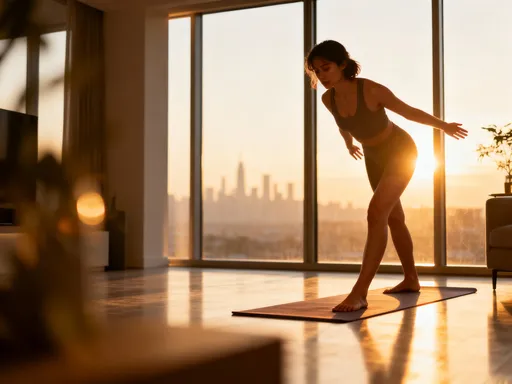
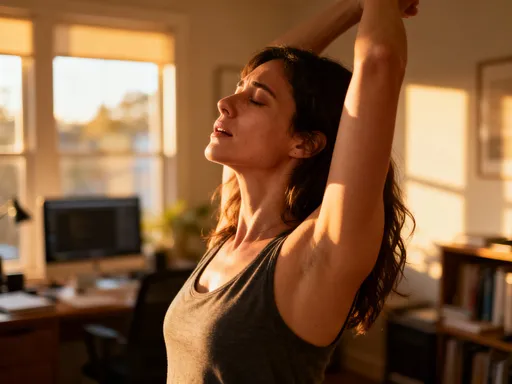
After experimenting with various approaches, I settled on a simple 7-minute routine that fits seamlessly into my morning. It doesn’t leave me breathless or sore — instead, it gently wakes up my body and sets a positive tone for the day. The routine includes dynamic stretches, bodyweight squats, marching in place, arm circles, and calf raises. Each movement is chosen for its ability to activate major muscle groups, improve circulation, and stimulate the lymphatic system, which plays a crucial role in immune defense.
It begins with 30 seconds of arm circles — forward and backward — to loosen the shoulders and increase blood flow to the upper body. This is followed by 10 bodyweight squats, which engage the large muscles of the legs and glutes. These muscles act as secondary pumps, helping to push blood and lymph fluid upward, especially after a night of inactivity. Next, I spend one minute marching in place, lifting my knees high and swinging my arms. This elevates my heart rate slightly, warming up the cardiovascular system without strain.
I then perform 15 calf raises, holding onto the counter for balance if needed. This simple movement activates the calf muscles, often called the “second heart” because of their role in pumping blood back to the heart from the lower limbs. After that, I incorporate 30 seconds of side bends and gentle torso twists to engage the core and improve spinal mobility. Finally, I finish with one minute of deep breathing while standing tall, inhaling through the nose and exhaling slowly through the mouth. This helps transition from movement to mindfulness, reducing stress hormones that can suppress immunity.
What makes this routine effective is not its complexity, but its consistency. I do it every morning, usually right after brushing my teeth. Because it’s short and predictable, it’s easy to stick with. The science supports this approach: regular muscle contractions enhance lymphatic drainage, which helps remove toxins and pathogens from tissues. Improved circulation means oxygen and nutrients are delivered more efficiently, while light activity has been shown to reduce levels of inflammatory markers in the body. Over time, these small physiological shifts strengthen the body’s natural defenses, making it more resilient to illness.
When and Where? Fitting Movement Into Real Life
One of the biggest advantages of a short daily routine is its flexibility. You don’t need a dedicated space or a block of free time — these movements can happen anywhere, at any moment. I’ve done calf raises while waiting for the microwave, marched in place during TV commercials, and stretched while my coffee brews. The key is to identify natural pauses in your day and use them as opportunities for movement. These moments add up, and over time, they contribute to better health without requiring a lifestyle overhaul.
To make it stick, I use environmental cues. I set a gentle alarm on my phone labeled “Move & Breathe” that goes off at 8 a.m. every morning. I also keep a small sticky note on my bathroom mirror that says “Stretch before you scroll” — a reminder to move before checking my phone. These cues help bridge the gap between intention and action, especially on days when motivation is low. Habit stacking — pairing a new behavior with an existing one — has been especially effective. For example, I always do my routine right after brushing my teeth, so the established habit triggers the new one.
Another strategy is to break the routine into smaller chunks if needed. On busy mornings, I might do three minutes in the bathroom and four minutes in the kitchen. The goal isn’t perfection — it’s participation. Even 30 seconds of movement is better than none. Over time, these actions become automatic, like washing your hands or locking the door. You stop thinking about them and simply do them. That’s when real change happens — not through grand gestures, but through small, repeated choices that build a foundation of health.
Beyond the Body: Mental Clarity and Immune Resilience
The benefits of daily movement extend far beyond the physical. One of the most noticeable changes I’ve experienced is in my mental clarity and emotional well-being. Light physical activity helps regulate stress hormones like cortisol and adrenaline. When these hormones remain elevated due to chronic stress, they can suppress immune function, making the body more vulnerable to infections. Movement acts as a natural reset, signaling to the brain that the body is safe and active, which helps lower stress levels.
Additionally, physical activity boosts the production of endorphins and other mood-regulating chemicals, leading to improved focus and a more positive outlook. I’ve found that doing my morning routine helps me feel more alert and centered, reducing the mental fog that used to linger into midday. This mental shift isn’t just subjective — studies have shown that even brief bouts of activity can enhance cognitive performance, particularly in tasks requiring attention and memory.
Better sleep is another unexpected benefit. Since starting this practice, I’ve fallen asleep faster and wake up feeling more refreshed. This is likely due to the regulation of circadian rhythms and the reduction of nighttime anxiety. Quality sleep is essential for immune health, as it’s during deep sleep that the body repairs tissues and produces infection-fighting cytokines. By supporting both mental and physical recovery, daily movement creates a protective cycle: less stress leads to better sleep, which strengthens immunity, which in turn supports emotional resilience. It’s a holistic approach to wellness that doesn’t require drastic changes — just consistent, mindful action.
Common Roadblocks — And How to Beat Them Fast
Even with the best intentions, it’s normal to face obstacles. Lack of motivation, fatigue, and forgetfulness are common challenges, especially during busy or stressful seasons. The key is not to aim for perfection, but to develop strategies that keep you moving forward, even on difficult days. One of the most effective tools I’ve used is a simple habit tracker — a printed calendar where I place a checkmark each day I complete my routine. Seeing a streak of checks builds momentum and reinforces commitment.
On days when energy is low, I modify the routine. Instead of full squats, I do seated leg lifts. If I’m too tired to stand, I perform gentle arm movements while sitting. The goal is to maintain the habit, not the intensity. I’ve learned that showing up in any form is what matters most. Celebrating small wins — like completing the routine three days in a row — also helps build confidence and motivation. Positive reinforcement, even self-directed, strengthens the neural pathways associated with healthy habits.
Forgetfulness is another hurdle, but it can be managed with cues and reminders. I keep a small notebook by my bed where I jot down one health goal each evening — often just “morning moves.” This simple act primes my mind for action the next day. I also pair the routine with something enjoyable, like listening to a favorite song or sipping herbal tea afterward. These small rewards make the habit more pleasurable and increase the likelihood of repetition. Over time, the routine becomes less of a chore and more of a self-care ritual — something I look forward to, not dread.
Making It Last: Turning Quick Moves Into Lifelong Shields
Sustainable health isn’t built on short-term fixes, but on daily choices that compound over time. The 7-minute routine I’ve described is not a magic solution, but a practical, science-backed strategy to support long-term wellness. By investing a few minutes each day, you’re building a shield against illness — not through drastic measures, but through consistent, intelligent action. This approach respects the complexity of real life, acknowledging that lasting change happens gradually, not overnight.
As you become comfortable with the routine, consider personalizing it. You might add a yoga pose, increase the number of repetitions, or shift the timing to after dinner instead of in the morning. The goal is to make it your own, so it feels natural and enjoyable. Progress doesn’t have to mean doing more — it can mean doing it with greater awareness, or integrating it more deeply into your daily rhythm. Over time, these small actions become second nature, like brushing your teeth or drinking water.
Ultimately, this is about honoring your body’s need for movement and recognizing that prevention is possible. You don’t need expensive supplements, extreme diets, or hours at the gym to stay healthy. You need consistency, intention, and a willingness to start small. Every time you choose to move, you’re sending a message to your body that you care. And that care translates into resilience, energy, and peace of mind. Always consult a healthcare provider before starting any new physical activity routine, especially if you have underlying health conditions. With professional guidance and a sustainable approach, daily movement can become one of your most powerful allies in staying ahead of sickness.