How I Tracked My Way Back: Real Talk on Smarter Recovery
Recovering from an injury or surgery isn’t just about time—it’s about paying attention. I learned this the hard way. What changed everything? Consistent health monitoring. By tracking small daily signals—energy levels, movement quality, even sleep patterns—I gained real insight into my rehab progress. It wasn’t magic, just mindfulness backed by data. If you’re rebuilding strength, this approach could be your game-changer. Healing is rarely linear, and without clear feedback, it’s easy to feel lost. But when you begin to observe your body’s responses with intention, recovery transforms from guesswork into a guided journey. This is not about perfection—it’s about progress, informed by awareness.
The Hidden Struggle: Why Recovery Often Feels Like Guesswork
For many people, recovery from surgery, injury, or chronic pain is one of the most emotionally and physically challenging phases of life. Despite following prescribed routines, many still feel uncertain about whether they are truly healing. The absence of clear feedback can create a sense of stagnation, even when progress is happening. Without measurable markers, it becomes difficult to distinguish between a normal plateau and a sign of regression. This uncertainty often leads to frustration, anxiety, and sometimes, unintentional overexertion or under-engagement with rehabilitation.
Imagine walking a path blindfolded. You know you’re moving forward, but you can’t see the terrain, the obstacles, or the distance covered. That is what recovery often feels like without monitoring. You may be doing everything right—attending therapy, resting, eating well—yet still wonder: Am I getting better? Am I pushing too hard? Is this pain normal? These questions linger because traditional recovery models often emphasize time and compliance, not insight. The expectation is to trust the process, but without data, trust can erode when results don’t appear fast enough.
Many individuals report emotional setbacks during recovery—feelings of helplessness, isolation, or even guilt when progress seems slow. These emotions are not signs of weakness; they are natural responses to a lack of control. When recovery feels unpredictable, it’s easy to lose motivation. Some stop exercises prematurely, fearing they might cause harm. Others push too hard, mistaking pain for progress, and risk re-injury. The cycle of uncertainty and emotional strain can extend recovery timelines and reduce overall quality of life. This is why the shift from passive healing to active monitoring is so transformative.
What if, instead of relying solely on memory or vague impressions, you could see your progress? What if you could identify patterns—like how certain activities affect your energy or how sleep influences your mobility? Health monitoring offers exactly that: a way to bring clarity to a process that often feels opaque. It doesn’t eliminate challenges, but it equips you with the tools to navigate them more effectively. By paying attention to daily signals, you regain a sense of agency. You’re no longer just waiting to heal—you’re actively participating in your recovery.
What Is Health Monitoring—and Why It Changes Everything in Rehab
Health monitoring, in its simplest form, is the regular observation and recording of key physical and emotional signals. It’s about turning subjective experiences—like how you feel—into objective, trackable data. Instead of saying, “I think I’m doing better,” you can say, “My step count has increased by 15% this week,” or “I’ve had three nights of uninterrupted sleep in a row.” This shift from perception to evidence is powerful. It allows you to see progress even when it feels invisible, and it helps you catch warning signs before they become serious issues.
In the context of recovery, monitoring acts as a feedback loop. Every action—whether it’s a physical therapy exercise, a rest day, or a change in diet—produces a response. When you track those responses, you begin to understand cause and effect. For example, you might notice that gentle stretching in the morning leads to less stiffness throughout the day, or that skipping a rest day results in increased fatigue. These insights allow you to make informed decisions, rather than relying on guesswork or habit.
One of the most significant benefits of monitoring is its impact on motivation. Recovery can be a long process, and without visible milestones, it’s easy to lose heart. But when you see tangible improvements—even small ones—your confidence grows. A study published in the Journal of Medical Internet Research found that patients who used self-tracking tools during rehabilitation reported higher levels of engagement and adherence to their programs. The simple act of recording progress creates a sense of accountability and accomplishment.
Equally important is the role of monitoring in safety. Many setbacks during recovery occur because individuals misjudge their limits. They may feel good one day and decide to do more, only to pay for it the next. Tracking helps prevent this by providing a consistent baseline. If your resting heart rate suddenly increases or your pain levels rise after a certain activity, these are signals worth noting. While they don’t always mean something is wrong, they prompt you to pause and reflect—perhaps consult your therapist—before continuing.
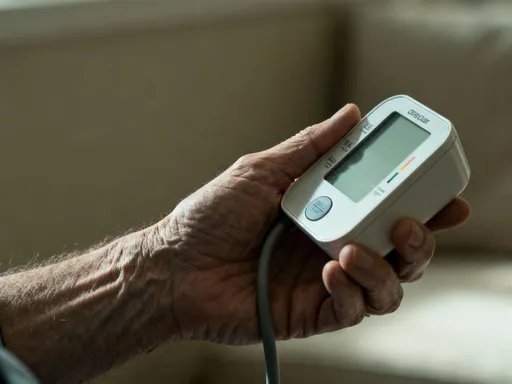
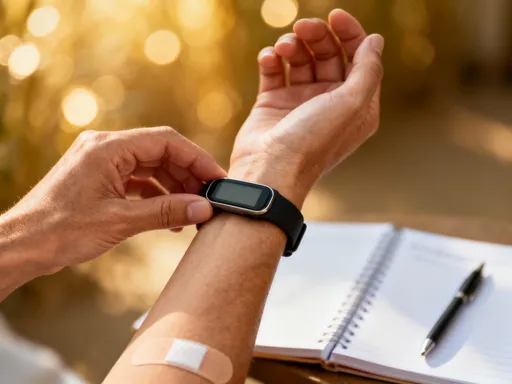
The tools for monitoring don’t need to be complex or expensive. A simple notebook can be just as effective as a high-tech wearable. Some people prefer mobile apps that allow them to log symptoms, mood, and activity with just a few taps. Others use basic fitness trackers to monitor steps, heart rate, or sleep duration. The key is consistency and relevance. The goal isn’t to collect every possible data point, but to focus on the signals that matter most to your specific recovery journey.
The Signals That Matter Most During Recovery
Not all health signals are equally important during recovery, and what matters most will vary from person to person. However, there are several core indicators that provide valuable insight for most individuals. These include pain levels, range of motion, fatigue, sleep quality, mood, and activity consistency. Each of these plays a unique role in the healing process, and tracking them can reveal patterns that might otherwise go unnoticed.
Pain is often the most immediate and noticeable signal. But rather than simply labeling it as “good” or “bad,” tracking pain on a consistent scale—such as 1 to 10—can help you understand its patterns. Is it worse in the morning? Does it increase after certain movements? Is it improving over time? These questions become easier to answer when you have a record. It’s important to note that some pain during recovery is normal, especially when rebuilding strength. The goal is not to eliminate all discomfort, but to ensure it remains within a safe and manageable range.
Range of motion is another critical indicator, particularly for musculoskeletal injuries. If you’re recovering from a knee surgery or shoulder injury, your ability to move through specific motions is a direct measure of progress. You don’t need specialized equipment to track this—simply noting how far you can bend your knee or lift your arm each day can show improvement over time. Over weeks, these small gains add up, and seeing them recorded can be incredibly encouraging.
Fatigue is often underestimated in recovery, yet it plays a major role in healing. Your body needs energy to repair tissues, and when you’re fatigued, it’s a sign that your system is working hard—or possibly overworked. Persistent fatigue can indicate that you’re pushing too hard, not resting enough, or dealing with underlying issues like poor sleep or nutrition. By tracking your energy levels daily, you can identify triggers and adjust your routine accordingly.
Sleep quality is closely linked to recovery. During deep sleep, the body releases growth hormones that aid tissue repair and immune function. Poor sleep can slow healing and increase sensitivity to pain. Tracking sleep duration and quality—whether through a wearable device or a simple journal—can help you spot patterns. For example, you might notice that on nights when you practice relaxation techniques before bed, you wake up feeling more refreshed and mobile the next day.
Mood is another important but often overlooked signal. Emotional well-being influences motivation, pain perception, and adherence to rehabilitation. Feeling anxious or discouraged can make physical discomfort feel worse. Conversely, a positive mindset can enhance resilience. Tracking mood alongside physical symptoms can reveal connections—such as improved mood on days with more activity or better sleep. This holistic view supports a more balanced approach to recovery.
Finally, activity consistency provides insight into your overall engagement with the rehabilitation process. It’s not just about how much you do, but how regularly you do it. Skipping days or inconsistent effort can slow progress, even if individual sessions are intense. Tracking your adherence—such as how many therapy exercises you complete each day—helps maintain accountability and identifies areas for improvement.
Putting Monitoring into Action: A Step-by-Step Approach
Starting a health monitoring practice doesn’t require a complete overhaul of your routine. The most effective systems are simple, sustainable, and tailored to your needs. Begin by selecting 3 to 5 key metrics that align with your recovery goals. For example, if you’re recovering from back surgery, you might choose pain level, walking duration, sleep quality, fatigue, and mood. If you’re rehabbing a shoulder injury, range of motion, exercise consistency, and pain after activity might be more relevant.
Next, choose your tracking method. Some people prefer digital tools like smartphone apps, which offer reminders, charts, and data summaries. Others find pen-and-paper journals more personal and less distracting. Wearable devices can automatically record sleep, heart rate, and steps, reducing the need for manual input. The best tool is the one you’ll actually use consistently. Don’t overcomplicate it—start small and build from there.
Establish a routine for tracking. The most successful trackers link their practice to an existing habit, such as after brushing their teeth in the morning or before turning off the lights at night. This “habit stacking” approach increases consistency. Set a specific time each day to record your data, even if it’s just for two minutes. Over time, this becomes second nature.
Consider the timing of your tracking. Short-term data—collected over days or a week—provides immediate feedback. For example, you might notice that your pain spikes after doing a particular exercise, prompting you to modify your technique. Long-term tracking, over several weeks or months, reveals broader trends. You might see that your fatigue gradually decreases or that your range of motion improves steadily, even if day-to-day changes are subtle.
Integrating your data with your rehabilitation plan is crucial. Bring your logs to therapy appointments. Your physical therapist can use this information to adjust exercises, recommend rest periods, or identify areas that need more attention. This collaborative approach strengthens the patient-provider relationship and ensures that your recovery is truly personalized. Instead of relying solely on memory or general observations, you’re offering concrete evidence of your experience.
From Data to Decisions: Using Insights to Optimize Recovery
The true value of health monitoring lies not in collecting data, but in using it to make smarter choices. Over time, patterns will emerge—some expected, others surprising. You might discover that your energy is highest in the afternoon, making it the ideal time for therapy exercises. Or you might notice that pain increases when you skip a warm-up, reinforcing the importance of preparation. These insights allow you to fine-tune your routine for better results.
One of the most common patterns is the relationship between rest and activity. Many people assume that more movement equals faster recovery, but the body also needs time to repair. Tracking can reveal the optimal balance. For instance, you might find that three days of activity followed by a rest day leads to steady improvement, while pushing through without breaks causes setbacks. This kind of personalized insight is difficult to gain without consistent observation.
When you identify a negative pattern—such as increased fatigue after certain activities—it’s important to respond thoughtfully. This doesn’t always mean stopping the activity altogether. It might mean adjusting the intensity, changing the timing, or adding supportive measures like hydration, nutrition, or stretching. The goal is not to avoid challenges, but to approach them strategically. Small, informed adjustments often lead to more sustainable progress than drastic changes.
It’s also important to recognize that data should guide, not replace, professional advice. Your therapist or doctor has expertise that no tracker can replicate. If your data shows concerning trends—such as worsening pain or declining mobility—it’s a signal to consult your care provider. Monitoring enhances communication; it doesn’t substitute for it. Think of your data as a conversation starter, not a diagnosis.
Over time, this feedback loop builds confidence. You begin to trust your body’s signals and your ability to respond wisely. This shift—from passive patient to active participant—is one of the most empowering aspects of recovery. You’re not just following a plan; you’re shaping it based on real-time evidence. And that makes all the difference.
Common Pitfalls and How to Avoid Them
While health monitoring offers many benefits, it’s not without potential pitfalls. One of the most common is overtracking—becoming so focused on numbers that recovery feels like a performance rather than a healing process. Some individuals start obsessing over every data point, feeling discouraged by minor fluctuations. This can lead to anxiety, perfectionism, or even avoidance of activities out of fear of “bad” results.
To avoid this, set clear boundaries. Choose a manageable number of metrics and stick to them. Avoid checking data constantly throughout the day. Instead, review it at set times—daily or weekly. Remember that healing is not a straight line. Normal fluctuations in pain, energy, or mood are expected. A single “bad” day does not erase progress. Focus on trends, not isolated data points.
Another risk is misinterpreting data. For example, a temporary increase in heart rate after light activity might be due to stress, caffeine, or dehydration—not a sign of regression. Similarly, a slight dip in sleep quality could be linked to external factors like noise or temperature. Always consider the context. If something feels off, talk to your therapist before making major changes.
Equally important is not to ignore non-numeric cues. Your intuition, how you feel emotionally, and feedback from loved ones or therapists are valuable sources of information. Data should complement these insights, not override them. If your numbers look good but you feel exhausted or discouraged, that’s worth paying attention to. Healing is holistic, and no tracker can capture every aspect of your experience.
Finally, avoid using monitoring as a source of self-judgment. It’s easy to feel guilty for missing a day of tracking or for not meeting a goal. But recovery is not about perfection. It’s about showing up, learning, and adjusting. If you miss a day, simply resume the next day. The goal is consistency over time, not flawless execution.
Building a Sustainable Mindset: Beyond the Rehab Phase
Health monitoring doesn’t have to end when formal rehabilitation does. In fact, it can become a lifelong tool for wellness. The skills you develop during recovery—awareness, patience, self-observation—are transferable to everyday life. By continuing to track key signals, you can maintain strength, prevent relapse, and stay attuned to your body’s needs.
For many, post-recovery monitoring becomes a form of preventive care. Just as you might schedule regular dental checkups, tracking your energy, movement, and sleep can help you catch early signs of imbalance. For example, a gradual increase in fatigue or stiffness might indicate the need for more rest, a change in routine, or a visit to your doctor. This proactive approach supports long-term vitality.
Moreover, the mindset shift that comes with monitoring—seeing yourself as an active participant in your health—can extend beyond physical recovery. It fosters a sense of responsibility and empowerment. You learn to listen to your body, respond with care, and make choices based on evidence rather than habit. These habits contribute to overall well-being, reducing the risk of future injuries and chronic conditions.
Even after full recovery, many people choose to continue tracking certain metrics, especially if they have ongoing health concerns or an active lifestyle. A simple weekly check-in on energy, mood, and activity can provide peace of mind and early warning signs. The key is to keep it sustainable—low effort, high value.
Ultimately, health monitoring is more than a recovery tool. It’s a practice of self-respect. It says, “I am worth paying attention to.” In a world that often moves too fast, taking time to observe your own healing is a radical act of care. It transforms recovery from something that happens to you into something you guide. And that makes all the difference—not just in healing, but in living well.