Pedal Your Way to Better Health: My Ride-Tested Wellness Upgrade
Ever feel like staying healthy is too hard? I did—until I hopped on a bike. Cycling didn’t just get me moving; it transformed my energy, mood, and focus. No extreme diets or gym grind—just consistent, joyful motion. This is a real talk about how riding a bike became my simplest, most effective wellness hack. No fluff, no fake promises—just what actually worked. It wasn’t about becoming an athlete. It was about reclaiming vitality in a way that felt natural, sustainable, and even enjoyable. If you’ve ever struggled to find a form of movement that fits your life, not fights it, this story might just change everything.
The Burnout Breakthrough: Why I Switched to Cycling
Like so many women in their 30s and beyond, I found myself caught in a cycle of exhaustion. Between managing a household, caring for family, and juggling daily responsibilities, self-care had slipped far down the list. I tried fitness trends—intermittent fasting, high-intensity interval training, rigid workout schedules—but nothing stuck. The routines felt punishing, not empowering. I’d start strong, then burn out within weeks. My energy remained low, my stress levels high, and my motivation dwindled with every failed attempt.
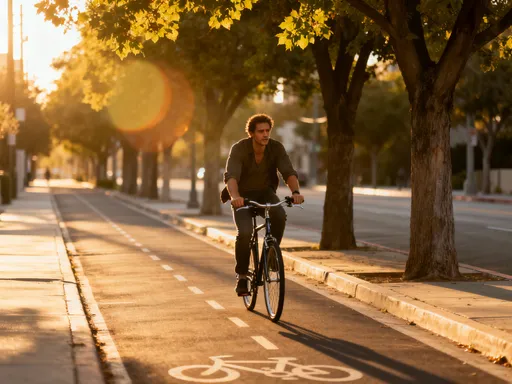
Then one spring morning, I dusted off an old hybrid bike that had been sitting in the garage for years. I didn’t set any goals. I didn’t wear special gear. I simply pedaled around the block. That first short ride felt different. There was no pressure to perform, no timer ticking, no voice in my head saying I wasn’t doing enough. Instead, I noticed the breeze, the birdsong, the rhythm of my breath syncing with my pedaling. It wasn’t exercise—it felt like freedom.
That moment sparked a shift. I realized cycling wasn’t just another workout; it was a lifestyle tool. Unlike running or weightlifting, which often left me sore and drained, cycling felt gentle yet effective. It was low-impact, meaning it didn’t strain my joints, but it still elevated my heart rate and warmed my muscles. Most importantly, it was sustainable. I could do it at my own pace, on my own schedule, without needing a gym membership or complicated equipment. It met me where I was—tired, time-crunched, and in need of something simple that worked.
Over time, I began to understand why cycling stood out. Medical research consistently shows that low-impact aerobic activities like cycling support long-term adherence better than high-intensity regimens, especially for adults over 30. A study published in the British Journal of Sports Medicine found that people who cycled regularly were more likely to maintain their routine over five years compared to those who pursued more strenuous forms of exercise. The reason? Enjoyment and accessibility. Cycling doesn’t feel like a chore. It feels like an adventure, a commute, a moment of peace—all rolled into one.
Why Cycling? The Science Behind the Sweat
The benefits of cycling go far beyond feeling good in the moment. They’re rooted in solid science. When you pedal, your heart pumps more efficiently, improving circulation and lowering blood pressure over time. This cardiovascular conditioning reduces the risk of heart disease, one of the leading causes of death among women worldwide. According to the American Heart Association, just 30 minutes of moderate-intensity cycling five times a week can reduce your risk of coronary heart disease by up to 50 percent. That’s not a small number—it’s life-changing.
But the advantages aren’t limited to your heart. Cycling also strengthens your muscles, particularly in the lower body. Your quadriceps, hamstrings, glutes, and calves all engage with every rotation. At the same time, your core works to stabilize your posture, especially on uneven terrain or longer rides. Unlike high-impact exercises such as jumping or sprinting, cycling supports joint health. There’s no pounding on knees or hips, making it ideal for women managing arthritis, past injuries, or general wear and tear from daily life.
Equally important are the mental health benefits. Physical activity triggers the release of endorphins—natural brain chemicals that reduce pain and boost mood. But cycling offers something extra: rhythm. The repetitive motion of pedaling creates a meditative effect, similar to walking or swimming. This rhythmic movement helps quiet mental chatter, reduce anxiety, and improve focus. Add in exposure to nature—especially on weekend rides through parks or quiet trails—and you get a double dose of mental restoration. Research from the University of Exeter shows that outdoor physical activity leads to greater improvements in mood and self-esteem than indoor workouts.
Compared to high-intensity workouts, which can spike cortisol levels and lead to burnout if overdone, cycling offers a balanced approach. It builds endurance without overwhelming the body. You can adjust the intensity based on how you feel each day—easy on tired mornings, stronger on energized afternoons. This flexibility makes it not just effective, but adaptable to real life. It’s not about pushing harder; it’s about moving consistently. And in the long run, consistency wins every time.
From Couch to Crank: Building the Habit Without Burnout
Starting a new habit is hard, especially when you’re already stretched thin. I didn’t jump into hour-long rides or set ambitious distance goals. Instead, I began with just 10 minutes a day—around the neighborhood, during lunch breaks, or after dinner. The key was showing up, no matter how short the ride. Those tiny sessions built confidence and created momentum. Within a few weeks, 10 minutes became 20, then 30. I wasn’t chasing performance; I was building a routine that fit my life.
One of the most powerful lessons I learned was the value of consistency over intensity. It’s easy to fall into the trap of thinking you have to go fast, far, or hard to “count” as exercising. But real progress comes from showing up regularly, even when you don’t feel like it. I tracked my progress not by miles or speed, but by how I felt—my energy levels, sleep quality, and mood. I noticed I fell asleep faster, woke up less groggy, and handled daily stress with more patience. These subtle shifts were proof that something was working.
Of course, I made mistakes. In the early days, I pushed too hard and ended up sore and discouraged. I also underestimated the importance of proper gear—riding in regular clothes and an ill-fitting helmet made the experience uncomfortable. Over time, I learned to listen to my body. Rest days became part of the plan. I stopped comparing myself to others and focused on my own journey. I also discovered that even on busy or rainy days, a five-minute pedal around the block still counted. It kept the habit alive.
Experts agree that sustainable behavior change starts small. The Centers for Disease Control and Prevention recommends that adults aim for 150 minutes of moderate-intensity aerobic activity per week—but it doesn’t have to happen all at once. Breaking it into 10- or 15-minute sessions makes it far more achievable. For women managing homes and families, this flexibility is essential. Cycling fits into life instead of disrupting it. And when movement feels manageable, it’s more likely to last.
Gear That Actually Helps (Without Breaking the Bank)
You don’t need expensive equipment to start cycling, but a few smart investments make a big difference. The most important item is a helmet. A well-fitted, certified helmet protects your head and gives you confidence to ride safely. I found a reliable one for under $50 at a local sporting goods store. Comfortable clothing is next—moisture-wicking fabrics and padded bike shorts reduce friction and prevent chafing, especially on longer rides. But you don’t need a full cycling kit. Start with what you have, then upgrade as needed.
Choosing the right bike matters. For everyday wellness and short commutes, a hybrid bike offers the best balance of comfort and efficiency. It’s more upright than a road bike, easier to handle than a mountain bike, and perfect for paved paths and neighborhood streets. City bikes and cruisers are also great options if you prioritize comfort over speed. I visited a local bike shop, test-rode a few models, and asked questions. The staff helped me find a bike that fit my frame and riding style—something I couldn’t have done online.
Basic maintenance tools are worth having. A tire pump, spare inner tube, and multi-tool can save you from being stranded. Learning how to fix a flat tire took me one YouTube tutorial and 20 minutes. Now I feel more self-reliant and less anxious about riding farther from home. Many community centers and bike co-ops offer free workshops—another way to learn and connect with others.
Technology can also support your journey. Free apps like Strava, Komoot, or Google Fit let you track rides, monitor distance and pace, and set gentle goals. I use mine to log how I feel after each ride—energized, calm, tired. Over time, patterns emerge. I see which routes lift my mood or which times of day work best. Lights and reflectors are essential for visibility, especially in early mornings or evenings. A front white light and rear red light are required by law in many areas and dramatically increase safety. Planning your route ahead of time using bike lane maps helps you avoid heavy traffic and find scenic, low-stress paths.
Ride Smart: Turning Commutes and Errands into Workouts
One of the most practical ways I’ve integrated cycling into my life is by replacing short car trips. Instead of driving to the grocery store, pharmacy, or post office, I ride. A trip that takes 10 minutes by car might take 20 by bike—but I arrive feeling more alert and less stressed. I’m not stuck in traffic, I’m not fumbling for parking, and I’m not sitting idle. I’m moving, breathing, noticing my surroundings. That shift in mindset is powerful.
There are real-world benefits beyond fitness. I’ve saved money on gas and reduced wear and tear on my car. I’ve also discovered hidden efficiencies—like dropping off library books on my way home from errands or meeting a friend at a café by bike instead of driving separately. Some communities even have bike racks at farmers’ markets and shopping centers, making it easy to carry bags or baskets. I invested in a simple rear rack and pannier bag, which holds everything I need for a midday run.
Planning bike-friendly routes has made a big difference. I use online tools to find streets with bike lanes, shared paths, or low traffic. Parks and greenways are ideal—they’re scenic, safe, and often connect neighborhoods. I’ve learned to check the weather the night before and keep a light rain jacket in my bag. On days when storms roll in, I adjust—either shortening the ride or switching to indoor options like a stationary bike or stretching routine. The goal isn’t perfection; it’s continuity.
For women with packed schedules, this kind of integration is key. You don’t need to carve out extra time for exercise when your commute becomes your workout. You’re not adding to your to-do list—you’re reimagining it. And that’s how lasting change happens: not through grand gestures, but through small, repeated choices that add up.
Beyond the Body: How Cycling Boosted My Mental Resilience
The physical changes were welcome, but the mental shift surprised me most. Cycling became a form of moving meditation. The steady rhythm of pedaling—the left-right, push-pull motion—created a calming cadence that helped quiet my mind. On days when anxiety crept in, a 20-minute ride often cleared the fog. I wasn’t trying to escape my thoughts; I was creating space to process them. The outdoors played a role too. Sunlight regulates circadian rhythms, boosting serotonin levels. Trees, water, open sky—these elements have a restorative effect on mental fatigue, a concept supported by attention restoration theory in environmental psychology.
Weekend rides became my reset button. Exploring new trails or riding along rivers gave me a sense of adventure and freedom I hadn’t felt in years. Each small victory—climbing a hill I once avoided, completing a longer distance, riding in light rain—built confidence. That confidence spilled over into other areas of life. I started speaking up more at family gatherings, setting boundaries at home, and making time for hobbies I’d neglected. Physical momentum created mental momentum.
I also noticed a shift in how I viewed challenges. Before, obstacles felt overwhelming. Now, I approach them with a cyclist’s mindset: pace myself, keep pedaling, trust the process. Just like on a long ride, I’ve learned to break big problems into smaller, manageable segments. I focus on the next turn, not the entire journey. This mindset has made me more resilient, patient, and optimistic. It’s not that life got easier—it’s that I got stronger.
Mental resilience isn’t built in crisis; it’s built in daily practice. Cycling gave me a tool to show up for myself, even on hard days. It reminded me that I am capable, that progress is possible, and that small efforts compound over time. That belief—that I can keep moving forward—is one of the most valuable gifts I’ve gained.
Making It Last: Integrating Cycling Into a Health-First Lifestyle
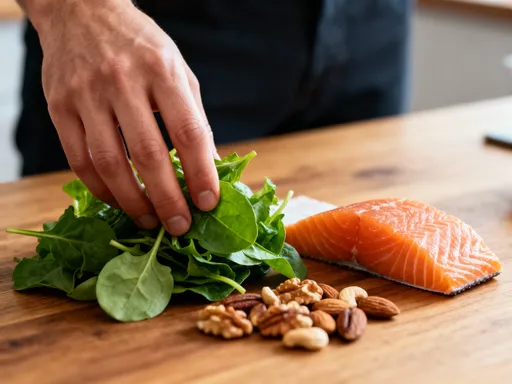
Sustainability is the true measure of success. After more than two years of regular riding, I’ve learned that cycling works best when it’s part of a holistic approach to wellness. I pair it with good hydration—carrying a water bottle on every ride and drinking more throughout the day. I prioritize sleep, knowing that recovery fuels performance. And I eat balanced meals rich in whole grains, lean proteins, and vegetables to support energy and muscle repair. None of these habits are extreme; they’re simple, science-backed choices that enhance the benefits of cycling.
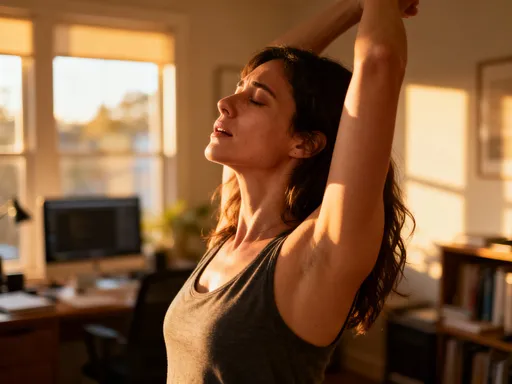
Rest is just as important as movement. I schedule rest days and listen to my body when it signals fatigue. On those days, I might stretch, walk, or practice gentle yoga. Cross-training with light strength exercises helps maintain muscle balance and prevent overuse injuries. I’ve also learned to adjust my expectations—some days are for long rides, others are for short spins or none at all. Flexibility prevents burnout and keeps the habit alive.
Motivation ebbs and flows, so I’ve found ways to stay inspired. I joined a local women’s cycling group that meets monthly. The camaraderie, shared stories, and group energy keep me accountable. Online challenges, like logging 100 miles in a month, add a fun, low-pressure goal. Even sharing photos or ride summaries with a friend creates a sense of connection and celebration.
Most importantly, I’ve shifted my mindset. I no longer see cycling as exercise I have to endure. I see it as self-care I get to enjoy. It’s not punishment for eating dessert or reward for being “good.” It’s a daily act of kindness toward myself. This reframing—from obligation to joy—is what makes it last. And when movement feels like a gift, not a chore, you’re far more likely to keep going.
Your Bike, Your Wellness Journey
Cycling has given me more than better fitness. It’s given me better days. More energy. Clearer thinking. Stronger resilience. It’s improved my heart health, eased my stress, and helped me reconnect with joy. But none of this happened overnight. It happened one pedal stroke at a time—through short rides, quiet mornings, rainy commutes, and weekend adventures. The power wasn’t in perfection; it was in persistence.
If you’re wondering where to start, begin exactly where you are. Dust off that old bike, borrow one from a friend, or try a community bike share. Ride for five minutes. Then ten. Focus on how it feels, not how far you go. Let go of comparison. Your journey is yours alone. Celebrate small wins—the first hill climbed, the first errand by bike, the first time you realize you’re looking forward to your next ride.
Health isn’t about dramatic transformations or extreme measures. It’s about showing up for yourself in small, meaningful ways. Cycling taught me that movement can be gentle, joyful, and life-giving. It’s not a trend. It’s a companion for life. And if you’re ready to feel stronger, calmer, and more alive, your bike might just be the simplest wellness tool you already own.