What I Learned About Beating Insomnia—Science-Backed Food Combos That Actually Work
Struggling with sleepless nights? You're not alone. Millions face insomnia, and while pills are common, food might be a smarter starting point. Science shows certain food pairings can naturally support better sleep by boosting melatonin and calming the nervous system. I dug into the research and tested changes myself—no magic cures, but real, noticeable improvements. This isn’t about quick fixes, but sustainable, science-rooted habits that work with your body, not against it.
The Hidden Link Between Food and Sleep
For years, the conversation around poor sleep has centered on bedtime routines, stress management, or screen time. While these factors matter, a quieter but equally powerful player often goes unnoticed: diet. Many assume that as long as they avoid caffeine late in the day, food has little influence on their ability to fall and stay asleep. This misconception overlooks a growing body of research linking specific nutrients to improved sleep quality. The foods we eat directly affect brain chemistry, hormone regulation, and even the stability of our internal body clock, known as the circadian rhythm.
Emerging studies in nutritional neuroscience reveal that what you eat can either support or disrupt your sleep architecture. For example, a 2022 review published in the journal Nutrients found that diets rich in whole grains, fruits, vegetables, and lean proteins were consistently associated with longer sleep duration and fewer nighttime awakenings. Conversely, diets high in added sugars, saturated fats, and processed ingredients correlated with increased insomnia symptoms. These patterns suggest that sleep isn't just a neurological event—it's a metabolic one, shaped by the fuel we provide our bodies throughout the day.
One key mechanism involves neurotransmitters, the chemical messengers that regulate mood, alertness, and relaxation. Serotonin, often called the “feel-good” hormone, plays a foundational role in sleep onset. It is synthesized from the amino acid tryptophan, which must be obtained through diet. Without adequate dietary tryptophan, the brain struggles to produce enough serotonin, which in turn limits the production of melatonin—the primary hormone responsible for signaling sleep. Similarly, gamma-aminobutyric acid (GABA), another calming neurotransmitter, helps quiet neural activity in the brain, making it easier to transition into rest. Foods that support GABA production, such as fermented items and leafy greens, can therefore play a subtle but meaningful role in promoting restful nights.
A real-world example of this connection can be seen among shift workers, who often experience chronic sleep disruption due to irregular schedules. A small but insightful 2020 study followed a group of night-shift nurses who adjusted their eating patterns to include more tryptophan-rich foods like turkey, eggs, and pumpkin seeds during their active hours, followed by magnesium-rich snacks like bananas and almonds before their daytime sleep. Over six weeks, participants reported improved sleep quality, faster sleep onset, and fewer awakenings. While lifestyle factors were still at play, the dietary changes appeared to enhance their body’s ability to adapt to non-traditional sleep windows. This suggests that food can act as a supportive tool, even in challenging circumstances.
Why Insomnia Isn’t Just in Your Head
Insomnia is often dismissed as a psychological issue—an overactive mind, anxiety, or poor sleep hygiene. While mental health and habits are important, reducing insomnia to a purely mental condition overlooks the complex biological systems at work. Insomnia is not simply the inability to fall asleep; it includes difficulty staying asleep, waking too early, or experiencing non-restorative sleep, even after spending enough time in bed. These symptoms can stem from imbalances in cortisol, blood sugar, inflammation, and gut health—factors heavily influenced by diet.
Cortisol, commonly known as the stress hormone, follows a natural daily rhythm: high in the morning to promote alertness and low at night to allow relaxation. However, poor eating habits—such as skipping meals, consuming high-sugar snacks, or eating large meals late at night—can cause cortisol to spike when it should be declining. This hormonal disruption sends signals to the brain that it’s time to be awake, even when the body is physically tired. Over time, this misalignment can reinforce a cycle of sleeplessness, making it harder to wind down regardless of mental effort.
Blood sugar fluctuations also play a significant role. When someone eats a meal high in refined carbohydrates—like white bread, pastries, or sugary cereals—insulin rises rapidly to manage the glucose influx. This can lead to a subsequent drop in blood sugar during the night, triggering the release of adrenaline and cortisol to restore energy levels. These hormonal surges can cause nighttime awakenings, often without the person fully realizing the cause. Stable blood sugar, supported by balanced meals with protein, fiber, and healthy fats, helps prevent these disruptive dips and promotes uninterrupted sleep.
Inflammation is another biological factor increasingly linked to poor sleep. Chronic low-grade inflammation, often driven by diets high in processed foods and trans fats, has been associated with reduced melatonin production and altered sleep patterns. A 2019 study in the Journal of Clinical Sleep Medicine found that individuals with higher levels of inflammatory markers, such as C-reactive protein (CRP), were more likely to report insomnia symptoms. Anti-inflammatory foods—like fatty fish rich in omega-3s, berries, nuts, and dark leafy greens—may therefore offer dual benefits: supporting overall health and improving sleep quality.
Perhaps one of the most fascinating connections is the gut-brain axis, the bidirectional communication network between the digestive system and the central nervous system. The gut houses trillions of microbes that produce neurotransmitters, including about 90% of the body’s serotonin. When the gut microbiome is imbalanced—due to poor diet, antibiotics, or stress—this can impair serotonin production and, by extension, melatonin synthesis. Additionally, digestive discomfort such as bloating or acid reflux can physically interfere with sleep. Eating foods that support gut health, such as fiber-rich vegetables and fermented options like yogurt or sauerkraut, can help restore this delicate balance and create a more favorable environment for rest.
The Science of Sleep-Supporting Nutrients
To understand how food can improve sleep, it’s essential to examine the specific nutrients involved in the sleep-wake cycle. These compounds don’t act in isolation; rather, they work together in a coordinated biochemical process. By prioritizing foods rich in these key nutrients, individuals can naturally support their body’s sleep mechanisms without relying on external aids.
Tryptophan is perhaps the most well-known sleep-supporting amino acid. Found in foods like turkey, eggs, dairy, nuts, and seeds, tryptophan serves as the precursor to serotonin and, ultimately, melatonin. However, tryptophan faces competition from other amino acids when crossing the blood-brain barrier. This is where carbohydrates come in: a small amount of healthy carbs can stimulate insulin release, which helps clear competing amino acids from the bloodstream, allowing more tryptophan to enter the brain. This explains why a snack like a banana with a spoon of almond butter can be more effective than either food alone—carbohydrates enhance tryptophan uptake, setting the stage for melatonin production.
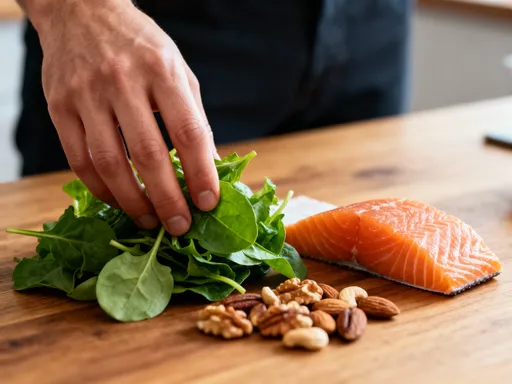
Magnesium is another critical nutrient for sleep, playing a dual role in muscle relaxation and nervous system regulation. It acts as a natural calcium blocker, helping muscles unwind, and supports GABA function, which calms neural activity. Despite its importance, many adults do not consume enough magnesium. Deficiency has been linked to increased nighttime awakenings and restless legs syndrome. Good dietary sources include spinach, Swiss chard, pumpkin seeds, almonds, black beans, and avocados. Incorporating these foods into evening meals or snacks can help the body transition into a state of physical relaxation.
Vitamin B6 is less commonly discussed but equally vital. It acts as a co-factor in the conversion of tryptophan to serotonin and then to melatonin. Without sufficient B6, this metabolic pathway slows down, reducing the availability of sleep-regulating hormones. Foods rich in vitamin B6 include chickpeas, salmon, potatoes, bananas, and poultry. Pairing B6-rich foods with tryptophan sources—such as grilled salmon with a side of sweet potato—creates a synergistic effect that enhances the body’s natural sleep chemistry.
Antioxidants also contribute to better sleep by reducing oxidative stress, which can interfere with sleep-regulating brain regions. Oxidative stress increases with age, poor diet, and environmental toxins, and has been linked to fragmented sleep and reduced REM cycles. Foods high in antioxidants—such as berries, dark chocolate (in moderation), pecans, and artichokes—help neutralize free radicals and support overall brain health. Including a variety of colorful plant foods in the diet ensures a broad spectrum of protective compounds that benefit both sleep and long-term cognitive function.
Power Pairings: Which Foods Work Best Together
While individual nutrients matter, the real power lies in food combinations. Certain pairings enhance nutrient absorption, stabilize blood sugar, and support neurotransmitter production more effectively than isolated foods. These synergistic combinations are not about elaborate recipes but simple, accessible choices that can be easily integrated into daily life.
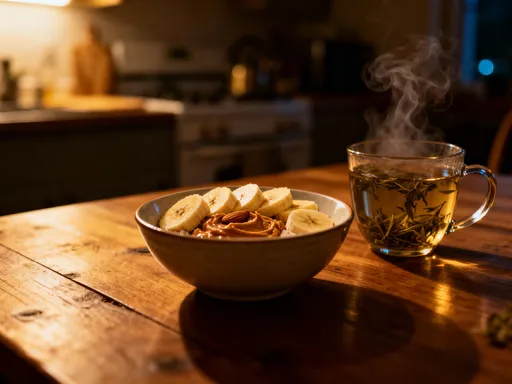
One of the most effective pairings is carbohydrates with protein. A small banana with a tablespoon of almond butter exemplifies this principle. The banana provides natural sugars and potassium, which aids muscle relaxation, while the almond butter contributes protein and healthy fats. Together, they create a balanced snack that supports tryptophan transport to the brain without causing a blood sugar spike. This combination is particularly useful when eaten 1–2 hours before bed, giving the body time to digest while initiating the biochemical processes that lead to sleepiness.
Another beneficial duo is healthy fats with leafy greens. Avocado and spinach, for instance, form a nutrient-dense pairing that delivers magnesium, fiber, and monounsaturated fats. The fats slow digestion, allowing for a gradual release of nutrients into the bloodstream, which helps maintain stable energy and hormone levels throughout the night. A simple avocado-spinach salad with olive oil and lemon juice not only supports sleep but also promotes heart health and satiety. This kind of meal is especially helpful for those who prefer a light dinner and want to avoid feeling too full before bed.
Fermented foods combined with fiber-rich carbohydrates offer a unique advantage by supporting gut health, which, as previously discussed, is closely tied to sleep regulation. Kimchi with cooked oats, for example, provides probiotics from the fermented cabbage and prebiotic fiber from the oats, which feeds beneficial gut bacteria. A healthy microbiome enhances serotonin production and reduces systemic inflammation, both of which contribute to better sleep. While this pairing may seem unusual to some, similar combinations—like plain yogurt with oats or kefir with a banana—are more familiar and equally effective.
Timing is a crucial but often overlooked aspect of sleep-supportive eating. Consuming these combinations too close to bedtime can lead to indigestion, while eating them too early may reduce their effectiveness. The ideal window is 60 to 90 minutes before sleep, allowing enough time for initial digestion while ensuring peak nutrient availability during the body’s transition to rest. This timing also prevents the need for late-night bathroom trips, which can fragment sleep. Consistency matters as well—regularly incorporating these pairings into the evening routine helps train the body to associate certain foods with the onset of sleep, reinforcing natural circadian cues.
Foods That Sabotage Your Sleep—Even “Healthy” Ones
Just as certain foods support sleep, others—some of which are considered healthy—can unintentionally disrupt it. Awareness of these hidden sleep disruptors is essential for anyone seeking to improve rest through diet. The impact is often subtle, making it easy to overlook the connection between a nighttime snack and poor sleep quality.
Hidden stimulants are among the most common culprits. Green tea, often praised for its antioxidants, contains both caffeine and L-theanine. While L-theanine promotes relaxation, the caffeine content—ranging from 25 to 45 milligrams per cup—can interfere with sleep, especially in sensitive individuals. Similarly, dark chocolate, particularly varieties with 70% cocoa or higher, contains theobromine, a mild stimulant that can increase heart rate and delay sleep onset. Herbal supplements like ginseng or yerba mate, sometimes included in wellness teas or energy blends, can also contain compounds that stimulate the nervous system. These items are not inherently harmful, but consuming them within six hours of bedtime may undermine sleep efforts.
Spicy meals are another frequent offender. While enjoyed by many, spicy foods can trigger acid reflux or heartburn, especially when lying down. This discomfort can prevent deep sleep and cause frequent awakenings. Capsaicin, the compound responsible for heat in chili peppers, may also raise body temperature slightly, counteracting the natural drop in core temperature needed for sleep initiation. For those who enjoy bold flavors, shifting spicy dishes to earlier in the day can help avoid nighttime disruptions.
High-sugar snacks, even those labeled as “natural” or “organic,” can lead to blood sugar instability. A late-night bowl of fruit, a granola bar, or a smoothie with added honey may seem harmless, but they can cause a rapid insulin response followed by a crash. This hypoglycemic dip can trigger the release of stress hormones, leading to wakefulness around 2–3 a.m. Opting for lower-glycemic alternatives—such as berries instead of tropical fruits, or whole grains instead of refined sugars—helps maintain equilibrium and supports uninterrupted sleep.
Finally, excessive fluid intake close to bedtime increases the likelihood of nocturia, or nighttime urination. While staying hydrated is important, consuming large amounts of water, herbal tea, or other beverages in the hour before bed can interrupt sleep cycles. Limiting fluids in the late evening while ensuring adequate intake during the day strikes a better balance. For those prone to nighttime thirst, a small sip of water or a bite of water-rich fruit like cucumber can suffice without overloading the bladder.
Building a Realistic Nighttime Eating Routine
Knowing which foods help or hinder sleep is only the first step. The next challenge is creating a sustainable eating pattern that fits real life. A practical, flexible approach is more likely to succeed than rigid rules that are hard to maintain. The goal is not perfection but consistency—making small, informed choices that add up over time.
A sample 3-day plan can serve as a starting point. On day one, dinner might include grilled salmon with roasted sweet potatoes and steamed broccoli, followed by a small bowl of cherries—an excellent natural source of melatonin. Day two could feature a lentil and spinach stew with a side of brown rice, then a snack of plain Greek yogurt with a sprinkle of chia seeds. On day three, a turkey and avocado wrap on whole grain bread, paired with a cup of herbal chamomile tea (caffeine-free), offers a balanced mix of tryptophan, healthy fats, and calming compounds. Each of these meals emphasizes whole, minimally processed ingredients and includes at least one sleep-supportive nutrient.
For those experimenting with dietary changes, tracking sleep quality and next-day energy levels can provide valuable feedback. A simple journal or sleep app can help identify patterns—such as better rest after eating certain foods or grogginess following late meals. This self-monitoring encourages awareness without creating obsession. It’s also important to adjust for individual dietary needs. Vegans can rely on plant-based sources like tofu, tempeh, lentils, and seeds for tryptophan and magnesium. Gluten-free individuals can choose oats, quinoa, and rice as safe carbohydrate options. Those following a low-FODMAP diet for digestive health can incorporate bananas, carrots, and lactose-free yogurt to support sleep without triggering symptoms.
However, it’s crucial to recognize that food alone may not resolve chronic insomnia. If sleep difficulties persist despite dietary and lifestyle improvements, it may be time to consult a healthcare provider. Conditions such as sleep apnea, restless legs syndrome, or hormonal imbalances require professional evaluation and treatment. A registered dietitian or sleep specialist can offer personalized guidance, ensuring that efforts are both safe and effective.
Long-Term Shifts, Not Quick Fixes
The journey to better sleep is not about finding a single magic food or overnight solution. It’s about cultivating habits that align with the body’s natural rhythms. Consistent food choices, made over weeks and months, can retrain the body’s internal signals, making it easier to fall asleep and stay asleep without constant effort. This gradual shift reflects the principle of metabolic memory—the idea that the body adapts to repeated patterns, whether good or bad.
Diet does not exist in isolation. When combined with other science-backed practices—such as morning sunlight exposure, regular physical activity, and reduced screen time before bed—its impact multiplies. Natural light helps regulate melatonin production, movement improves sleep drive, and digital detoxing reduces mental stimulation. Together, these elements form a holistic framework for rest that addresses both mind and body.
Perhaps the most powerful outcome is the ripple effect: better sleep leads to better food choices. When well-rested, individuals are more likely to crave nutritious foods, have the energy to prepare meals, and resist impulsive snacking. This creates a positive feedback loop where improved sleep supports better eating, which in turn enhances sleep. Over time, this cycle reinforces resilience, mood stability, and overall well-being.
In the end, the path to restful nights is not about deprivation or drastic changes. It’s about small, intentional steps—like choosing a banana with almond butter instead of a cookie, or swapping late coffee for herbal tea. These choices may seem minor, but their cumulative effect is profound. Sleep is not a luxury; it’s a biological necessity. And with the right food, it’s a necessity within reach.