What If Aging Wasn’t the Enemy? My Journey to Smarter, Healthier Living
Have you ever wondered why some people seem to age slower, stay energetic, and avoid common illnesses? I did—until I discovered that aging isn’t the real problem. It’s how we treat our bodies along the way. This shift in mindset changed everything for me. In this article, I’ll walk you through science-backed habits that support long-term vitality and help prevent age-related diseases—without extreme diets or unproven fixes. It’s not about looking younger, but about living stronger, longer.
The Myth We’ve Been Sold: Why “Anti-Aging” Misses the Point
For decades, the term “anti-aging” has been associated with creams, supplements, and cosmetic procedures aimed at erasing wrinkles or restoring youthful appearance. But this narrow focus distracts from a deeper truth: true longevity is not about how young you look, but how well your body functions. The real goal should be maintaining strength, energy, and organ health as the years pass. When we chase appearance alone, we often ignore the internal processes that determine how long and how well we live.
Scientific research increasingly shows that many age-related conditions—like type 2 diabetes, heart disease, and cognitive decline—are not inevitable consequences of time. Instead, they are often the result of long-term lifestyle patterns. The World Health Organization estimates that up to 80% of heart disease and stroke cases, and over 90% of type 2 diabetes cases, could be prevented with healthier habits. This means the greatest threat isn’t aging itself, but the gradual accumulation of poor health choices that accelerate biological decline.
Many people believe that serious health efforts should begin only after symptoms appear. But by then, the body has often endured years of silent damage. For example, arterial plaque can build up for decades before causing chest pain or a heart attack. Blood sugar levels may rise slowly over time, leading to insulin resistance long before a diabetes diagnosis. This is why prevention must begin early—even in your 30s and 40s—when the body is still highly responsive to positive changes.
The shift from chasing youth to building resilience is powerful. Instead of asking, “How can I look 10 years younger?” a more productive question is, “How can I keep my heart, brain, and immune system functioning like those of a healthy 50-year-old when I’m 70?” This mindset change allows individuals to take control of their health trajectory with realistic, sustainable actions rather than relying on quick fixes or miracle cures that rarely deliver lasting results.
Your Body Is Always Listening: How Daily Choices Shape Longevity
Every choice you make—what you eat, how you move, how you sleep, and how you manage stress—sends signals to your cells. These signals influence gene expression, hormone balance, and immune function. Over time, consistent signals from healthy habits create a biological environment that supports longevity. On the other hand, repeated exposure to poor nutrition, inactivity, and chronic stress can activate pathways linked to inflammation, cellular aging, and disease.
Inflammation, in particular, plays a central role in many chronic conditions. While acute inflammation is a normal and necessary part of healing, chronic low-grade inflammation silently damages tissues and organs. It has been linked to heart disease, arthritis, Alzheimer’s disease, and certain cancers. Diet and lifestyle are major drivers of this process. For instance, diets high in refined sugars and processed foods can trigger inflammatory responses, while regular physical activity and adequate sleep help regulate it.
Consider the story of a woman in her early 50s who worked a desk job and had been diagnosed with prediabetes. Her doctor warned her about the risk of progressing to full diabetes. Instead of starting medication immediately, she made small but consistent changes: she began walking 20 minutes after dinner, replaced sugary snacks with nuts and fruit, and prioritized getting seven hours of sleep. Within six months, her blood sugar levels returned to normal. She didn’t follow a strict diet or extreme exercise plan—she simply made sustainable adjustments that her body responded to positively.
This example illustrates a crucial principle: consistency matters far more than perfection. You don’t need to overhaul your life overnight. What counts is showing up for your health most days, making choices that support your body’s natural ability to repair and renew. The cumulative effect of small, repeated actions creates lasting change. Over time, these habits become automatic, forming a foundation for lifelong wellness.
Move It or Lose It: Why Physical Activity Is Non-Negotiable
One of the most powerful tools for healthy aging is movement. The human body was designed to move, yet modern lifestyles often require prolonged sitting. This mismatch between our biology and daily routine contributes to muscle loss, poor circulation, and metabolic slowdown. After age 30, adults lose 3–5% of muscle mass per decade, a process called sarcopenia. This decline accelerates after 60 and is closely linked to frailty, falls, and loss of independence.
Strength training is essential for preserving muscle and supporting metabolic health. Muscles are not just for movement—they play a key role in regulating blood sugar. When you contract your muscles during exercise, they absorb glucose from the bloodstream without needing insulin. This makes strength training particularly beneficial for preventing insulin resistance and type 2 diabetes. Even two sessions per week of resistance exercises—using body weight, resistance bands, or light weights—can make a significant difference over time.
Beyond strength, balance and flexibility are equally important. Falls are a leading cause of injury among older adults, but many can be prevented through regular balance exercises. Simple practices like standing on one foot while brushing your teeth, walking heel-to-toe, or doing tai chi improve stability and coordination. These activities engage the nervous system and strengthen the small stabilizing muscles that keep you upright and confident in daily movements.
Daily steps also matter. Walking is one of the most accessible and effective forms of cardiovascular exercise. Studies show that people who take 7,000–10,000 steps per day have lower risks of heart disease, obesity, and premature death. The key is consistency, not speed or intensity. A 30-minute walk after meals not only supports heart and metabolic health but also aids digestion and reduces post-meal blood sugar spikes.
Perhaps even more important than structured workouts is reducing sedentary time. Sitting for long periods slows metabolism and impairs circulation, regardless of whether you exercise later. Breaking up sitting every 30–60 minutes—by standing, stretching, or walking to get water—can counteract these effects. Simple changes like using a standing desk, taking phone calls on your feet, or parking farther from store entrances add up to meaningful health benefits over time.
Eat to Support, Not Sabotage: Nutrition That Works With Your Body
Nutrition is one of the most direct ways to influence your health as you age. The foods you eat either support cellular repair and immune function or contribute to inflammation and metabolic dysfunction. Whole, minimally processed foods—such as vegetables, fruits, legumes, whole grains, nuts, seeds, and lean proteins—provide essential nutrients that protect against chronic disease. These foods are rich in fiber, antioxidants, and healthy fats, all of which play distinct roles in promoting longevity.
Fiber, found in plant-based foods, supports gut health and helps regulate blood sugar and cholesterol levels. A healthy gut microbiome is now recognized as a key player in immune function, mood regulation, and even brain health. Antioxidants, abundant in colorful fruits and vegetables, neutralize free radicals—unstable molecules that damage cells and contribute to aging. Omega-3 fatty acids, found in fatty fish, flaxseeds, and walnuts, reduce inflammation and support brain and heart health.
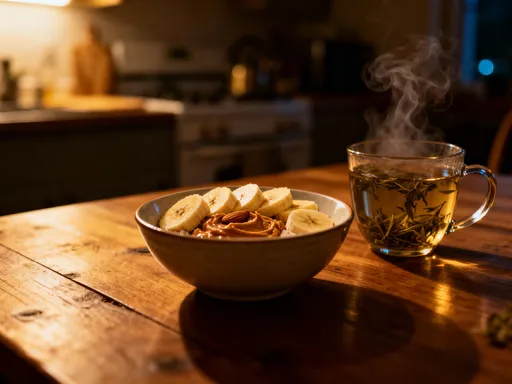
Blood sugar balance is another critical factor. Frequent spikes and crashes in glucose levels can lead to fatigue, brain fog, and long-term insulin resistance. Eating balanced meals that include protein, healthy fats, and fiber slows digestion and prevents sharp rises in blood sugar. For example, pairing an apple with almond butter or eating oatmeal with nuts and seeds creates a more stable energy release than consuming carbohydrates alone.
Portion awareness and mindful eating also contribute to better health outcomes. Many people eat quickly or while distracted, which can lead to overeating and poor digestion. Slowing down, chewing thoroughly, and paying attention to hunger and fullness cues help regulate intake naturally. Drinking water throughout the day supports metabolism and helps distinguish true hunger from thirst, which is often mistaken for appetite.
On the other hand, highly processed foods—those high in added sugars, refined grains, unhealthy fats, and artificial ingredients—accelerate biological aging. These foods promote inflammation, disrupt gut bacteria, and increase the risk of obesity, diabetes, and heart disease. They also tend to be low in nutrients, leaving the body without the building blocks it needs for repair and maintenance. Reducing processed food intake doesn’t require perfection—small swaps, like choosing whole grain bread over white or cooking at home more often, can make a lasting difference.
Sleep: The Invisible Engine of Cellular Repair
Sleep is often undervalued, yet it is one of the most powerful regulators of health and longevity. During deep sleep, the body performs essential maintenance: repairing tissues, clearing waste from the brain, balancing hormones, and strengthening the immune system. This nightly restoration process is critical for preventing chronic disease and maintaining cognitive function. Adults who consistently get less than seven hours of quality sleep are at higher risk for heart disease, obesity, depression, and memory decline.
The connection between sleep and brain health is particularly strong. During slow-wave sleep, the brain’s glymphatic system becomes more active, flushing out toxins like beta-amyloid—a protein linked to Alzheimer’s disease. Without sufficient deep sleep, this cleanup process is impaired, increasing the risk of cognitive decline over time. Sleep also affects emotional regulation and decision-making, influencing how well you manage stress and make healthy choices the next day.
Several factors can disrupt sleep quality. Exposure to blue light from screens in the evening suppresses melatonin, the hormone that signals sleepiness. High stress levels keep the nervous system in a state of alertness, making it harder to relax. Irregular sleep schedules confuse the body’s internal clock, or circadian rhythm, reducing sleep efficiency. Caffeine consumed late in the day, large meals before bedtime, and lack of physical activity can also interfere with restful sleep.
Building a realistic wind-down routine can make a significant difference. Starting 60 minutes before bed, reduce screen brightness or switch to non-backlit reading. Dim the lights at home to signal to your brain that it’s time to wind down. Engage in calming activities like light stretching, journaling, or listening to soft music. Keeping the bedroom cool, quiet, and free of distractions supports deeper sleep. Consistency is key—going to bed and waking up at similar times every day, even on weekends, helps regulate your circadian rhythm and improves sleep quality over time.
Stress—The Silent Accelerator of Aging
Chronic stress is one of the most underestimated contributors to accelerated aging. While short-term stress can be helpful—motivating action or enhancing focus—long-term stress takes a heavy toll on the body. When stress becomes constant, the body remains in a heightened state of alert, releasing stress hormones like cortisol and adrenaline. Over time, this leads to increased inflammation, weakened immunity, and disruption of metabolic and cardiovascular systems.
The effects of chronic stress are wide-ranging. It can impair digestion, reduce nutrient absorption, and contribute to weight gain—especially around the abdomen, where fat is more strongly linked to heart disease. It can also disrupt sleep, worsen mood, and reduce motivation to engage in healthy behaviors. Many people don’t realize how much stress is affecting them until they start making changes and notice improvements in energy, focus, and overall well-being.
The good news is that stress management doesn’t require hours of meditation or expensive retreats. Simple, evidence-based tools can make a meaningful difference. Deep breathing exercises, such as diaphragmatic breathing or box breathing, activate the parasympathetic nervous system, which helps the body relax. Spending time in nature—whether walking in a park, gardening, or sitting under trees—has been shown to lower cortisol levels and improve mood.
Setting boundaries is another powerful form of self-care. This might mean saying no to extra commitments, limiting time with draining people, or protecting personal time for rest and hobbies. Emotional well-being is not separate from physical health—it is part of it. When you feel calmer and more in control, your body functions better. Prioritizing joy, connection, and moments of peace is not indulgent; it is essential for long-term health.
Building Your Personal Prevention Plan: Small Steps, Big Impact
Starting a health journey can feel overwhelming, especially when faced with endless advice and conflicting information. The most effective approach is to begin with one small, manageable habit. Trying to change everything at once often leads to burnout and frustration. Instead, pick one area—such as walking more, drinking more water, or improving sleep—and focus on making it consistent for several weeks before adding another change.
Tracking progress doesn’t require apps or detailed journals. Pay attention to how you feel: Do you have more energy? Are you sleeping better? Is your mood more stable? These subjective measures are often more meaningful than numbers on a scale. Small wins build confidence and motivation, making it easier to continue.
Your environment plays a crucial role in supporting healthy choices. Make healthy behaviors easier by preparing your surroundings. Keep fresh fruit on the counter, place walking shoes by the door, set up a quiet corner for stretching or breathing exercises. Reduce friction for good habits and increase it for less healthy ones—like keeping snacks out of sight or turning off notifications during wind-down time.
Remember, this is not a short-term fix but a lifelong upgrade. Aging is inevitable, but how you age is not entirely predetermined. Every positive choice adds to your health reserve, building resilience against disease and decline. The habits you adopt today shape the quality of your future years—not just how long you live, but how well you live.
Aging With Strength, Not Fear
Aging does not have to mean decline. With the right habits, it can be a time of continued growth, vitality, and purpose. The choices you make now—how you move, eat, sleep, and manage stress—are investments in your future self. Prevention is not about fear or denial of aging; it’s about honoring your body’s ability to heal, adapt, and thrive when given the right support.
The power to influence your health trajectory lies in consistent, small actions taken over time. You don’t need drastic changes or extreme measures. You need sustainable habits that fit your life and bring real results. Start where you are, use what you have, do what you can. Progress, not perfection, is the goal.
Always consult with a healthcare professional before making significant changes to your diet, exercise, or wellness routine—especially if you have existing health conditions or are taking medications. Personalized guidance ensures that your efforts are safe and effective.
Reframe aging not as an enemy to fight, but as a natural process to navigate with wisdom and care. By focusing on function, resilience, and prevention, you can move through the years with strength, clarity, and confidence. The best time to start was years ago. The second-best time is today.