How I Protect My Lower Back Every Day — And Why What You Eat Matters More Than You Think
Lower back pain creeps up silently—until it doesn’t. For years, I ignored the small twinges, blaming long hours at the desk or bad posture. But when discomfort turned into constant ache, I realized: protecting my spine wasn’t just about stretching or lifting right. Something deeper was at play. Turns out, what I ate had a real impact. This isn’t about quick fixes. It’s about long-term choices that support spinal health from the inside out. Let me share what changed for me—and why your plate might be the missing link.
The Silent Crisis: Why Lower Back Health Fades Over Time
Lower back pain is one of the most common reasons adults seek medical care, yet it often begins so subtly that it’s easy to dismiss. At first, it might be a stiffness when getting out of bed, a twinge when lifting groceries, or discomfort after sitting through a long meeting. These signals are frequently ignored, written off as part of aging or the cost of a busy life. But over time, these small warnings can accumulate into persistent pain that limits mobility, disrupts sleep, and affects mood. The spine is designed to support the body through movement, yet modern lifestyles often demand prolonged stillness—hours spent at a desk, in a car, or on the couch—which weakens core muscles and places uneven pressure on spinal discs.
The lumbar region, or lower back, bears the brunt of this strain. It supports most of the body’s weight and is involved in nearly every movement, from bending to twisting. Without regular movement and support, the structures in this area begin to degrade. Discs between vertebrae can lose hydration and elasticity, reducing their ability to absorb shock. Ligaments and tendons may become stiff or strained. Over the years, even minor misalignments or repeated poor posture can lead to wear and tear that the body struggles to repair. This degeneration isn’t inevitable, but it is common—especially when preventive care is overlooked.
What many people don’t realize is that spinal health isn’t solely about physical mechanics. While posture, exercise, and ergonomics are essential, they represent only part of the picture. The body’s ability to maintain and repair spinal tissues depends heavily on internal factors, particularly nutrition. Just as a car needs quality fuel and regular maintenance to run smoothly, the spine requires consistent nourishment and care. When these needs aren’t met, the system begins to falter. Pain becomes more than a temporary inconvenience; it becomes a sign that the foundation is weakening. Addressing back health early, before chronic pain sets in, is far more effective than trying to reverse damage later.
For many women between 30 and 55, this stage of life brings additional physical demands—managing households, caring for children or aging parents, juggling work responsibilities. These roles often come with long periods of standing, lifting, or sitting, all of which can strain the lower back. Hormonal changes, especially during perimenopause, can also affect muscle tone and joint lubrication, further increasing vulnerability. Yet, in the midst of daily responsibilities, self-care is often the first thing to be sacrificed. Recognizing that back health is not just about avoiding injury but about building resilience can shift the focus from reaction to prevention. The choices made today—how you move, how you sit, and especially what you eat—lay the groundwork for how your spine will feel ten or twenty years from now.
Beyond Posture: Uncovering the Hidden Role of Nutrition in Spinal Health
Most conversations about back pain focus on external factors: lifting techniques, chair support, exercise routines. While these are important, they often overlook a critical internal factor—nutrition. The spine is not a static structure; it is a dynamic system made up of bones, cartilage, discs, ligaments, and nerves, all of which rely on a steady supply of nutrients to function properly. Calcium and vitamin D are well-known for bone strength, but they are only part of a larger network of nutrients that support spinal integrity. Without adequate nourishment, even the best posture and most careful movements may not be enough to prevent degeneration.
Spinal discs, for example, have no direct blood supply and depend on diffusion from surrounding tissues to receive nutrients. This means that systemic inflammation or poor circulation can impair their ability to stay hydrated and resilient. When discs lose height or develop small tears, they can press on nerves, leading to pain, numbness, or radiating discomfort. The body has the capacity to repair minor damage, but this process requires specific building blocks: amino acids for tissue repair, antioxidants to combat cellular stress, and healthy fats to maintain cell membrane integrity. If the diet lacks these components, the repair process slows, and minor issues can become chronic problems.
Inflammation plays a central role in this process. While acute inflammation is a natural part of healing, chronic low-grade inflammation can damage tissues over time. Diet is one of the most powerful influencers of systemic inflammation. Foods high in refined sugars, unhealthy fats, and chemical additives can trigger inflammatory pathways that affect joints, muscles, and connective tissues throughout the body—including the spine. On the other hand, a diet rich in whole foods, fiber, and anti-inflammatory compounds can help calm these responses and create an environment where healing is possible.
Key nutrients for spinal health include magnesium, which supports muscle relaxation and nerve function; omega-3 fatty acids, which reduce inflammation and support disc hydration; and antioxidants like vitamin C and E, which protect cells from oxidative damage. Collagen, a structural protein found in connective tissues, also depends on adequate intake of vitamin C, zinc, and amino acids like glycine and proline. These nutrients are most effectively obtained through a varied, balanced diet rather than supplements alone. While supplements can be helpful in cases of deficiency, they cannot replicate the synergistic effects of whole foods. The quality of your diet directly influences the quality of your spine’s structure and function.
The Inflammation Connection: How Certain Foods Fuel Back Pain
Chronic inflammation is increasingly recognized as a root contributor to many long-term health issues, including joint pain, heart disease, and metabolic disorders. In the context of spinal health, inflammation can exacerbate existing strain on the lower back by increasing sensitivity in nerves, reducing disc resilience, and slowing tissue repair. Unlike acute inflammation, which is a short-term response to injury, chronic inflammation is often invisible—it doesn’t cause redness or swelling, but it creates a background level of cellular stress that weakens the body’s ability to maintain balance. Diet is one of the most modifiable factors influencing this process.
Pro-inflammatory foods are common in modern diets. Refined carbohydrates, such as white bread, pastries, and sugary cereals, cause rapid spikes in blood sugar, which in turn trigger the release of inflammatory cytokines. Trans fats, often found in fried foods and packaged snacks, are known to increase levels of C-reactive protein, a marker of systemic inflammation. Processed meats like sausages and deli meats contain advanced glycation end products (AGEs), which accumulate in tissues and promote oxidative stress. Even excessive consumption of red meat, particularly when grilled or charred, can contribute to inflammatory load.
These foods don’t cause back pain overnight, but their cumulative effect over months and years can create a biochemical environment that makes the spine more vulnerable. For example, increased inflammation can lead to stiffer joints, reduced range of motion, and slower recovery from minor strains. Some individuals report feeling more stiffness or discomfort after meals high in processed ingredients, though this varies from person to person. The connection isn’t always obvious, which is why many people don’t make the link between their diet and their back pain.
Reducing intake of these foods doesn’t mean complete elimination, but rather a shift toward balance. The goal is not perfection, but consistency. Choosing whole grains over refined ones, cooking at home more often, and reading ingredient labels can significantly reduce exposure to pro-inflammatory compounds. Over time, many people notice improvements in energy levels, joint comfort, and overall well-being. While individual responses vary, the underlying science supports the idea that dietary patterns influence inflammation and, by extension, musculoskeletal health. Making informed choices about what to eat is not about following a restrictive diet; it’s about creating conditions in the body where healing and resilience can thrive.
Sugar and Spine: Why Sweet Cravings Might Be Harming Your Back
Sugar is a common part of many diets, often consumed in the form of desserts, sweetened beverages, or hidden in processed foods. While an occasional treat is not harmful, consistently high sugar intake can have unintended consequences for spinal health. When sugar enters the bloodstream, it causes a rapid rise in blood glucose, prompting the body to release insulin. Over time, repeated spikes can lead to insulin resistance, a condition associated with increased inflammation and reduced tissue repair capacity. This metabolic shift affects every cell in the body, including those in the spine.
One of the lesser-known effects of high sugar consumption is its impact on collagen, a key structural protein in ligaments, tendons, and spinal discs. Excess glucose in the bloodstream can bind to collagen fibers in a process called glycation, forming advanced glycation end products (AGEs). These altered proteins become stiff and less flexible, reducing the elasticity of connective tissues. In the spine, this means discs may lose their ability to absorb shock effectively, and ligaments may become more prone to strain. The result can be increased stiffness, reduced mobility, and a higher risk of injury.
Beyond structural changes, sugar also affects energy and recovery. Many people experience a cycle of energy spikes followed by crashes after consuming sugary foods. During the crash, fatigue sets in, posture may slump, and movement becomes less controlled—all of which place additional stress on the lower back. Additionally, poor energy regulation can disrupt sleep, and poor sleep is strongly linked to increased pain sensitivity. When the body is not well-rested, its ability to manage inflammation and repair tissues is compromised.
Managing sugar intake doesn’t require complete deprivation, but it does require awareness. Simple swaps can make a meaningful difference: choosing whole fruits instead of fruit juices, using cinnamon or vanilla to add sweetness without sugar, and opting for snacks with protein and fiber to stabilize blood sugar. Reading labels is essential, as sugar appears under many names—including corn syrup, cane juice, and maltodextrin. Over time, taste preferences can adjust, and the desire for extreme sweetness often diminishes. By reducing reliance on sugar, the body can maintain more stable energy, reduce inflammation, and support the structural integrity of the spine. These changes may not yield immediate results, but they contribute to long-term resilience.
Processed Foods: The Hidden Enemy of Long-Term Spinal Support
Ultra-processed foods—those high in added sugars, unhealthy fats, salt, and artificial ingredients—are convenient but come at a cost to long-term health. These products are often stripped of essential nutrients during manufacturing and fortified with additives to enhance flavor, texture, and shelf life. While they may satisfy hunger in the short term, they fail to provide the vitamins, minerals, and phytonutrients needed for tissue maintenance and repair. For spinal health, this nutritional deficit can be particularly damaging over time.
One issue with processed foods is their low nutrient density. A meal of frozen pizza or packaged noodles may provide calories, but it lacks the magnesium, potassium, and antioxidants that support muscle function and reduce oxidative stress. Without these nutrients, muscles around the spine may become tense or fatigued more easily, increasing the risk of strain. Additionally, many processed foods contain high levels of sodium, which can lead to fluid retention and increased pressure on spinal nerves. This may contribute to feelings of stiffness or discomfort, especially after meals.
Additives such as preservatives, emulsifiers, and artificial colors have also raised concerns in recent research. While approved for safety in small amounts, their long-term effects on gut health and inflammation are still being studied. The gut and spine are more connected than many realize—a healthy gut microbiome helps regulate immune responses and reduce systemic inflammation. Diets high in processed foods can disrupt this balance, potentially leading to increased inflammatory activity that affects joints and connective tissues.
Transitioning away from processed foods doesn’t require drastic changes. Small steps, such as preparing more meals at home, choosing whole ingredients, and learning to read nutrition labels, can lead to significant improvements. Focusing on whole grains, fresh vegetables, lean proteins, and healthy fats creates a dietary foundation that supports not just spinal health, but overall well-being. The goal is not to eliminate convenience entirely, but to make it the exception rather than the rule. Over time, the body begins to respond with greater energy, improved digestion, and reduced discomfort. These benefits reinforce the value of choosing real food over processed alternatives.
What to Eat Instead: Building a Spine-Friendly Long-Term Diet
Shifting toward a spine-supportive diet means focusing on whole, nutrient-dense foods that reduce inflammation and provide the building blocks for tissue repair. This isn’t about following a rigid plan or eliminating entire food groups, but about making consistent, informed choices. A balanced plate that includes a variety of colorful vegetables, whole grains, healthy fats, and quality protein can make a meaningful difference over time. The key is sustainability—small changes that can be maintained for years, not short-term restrictions that are quickly abandoned.
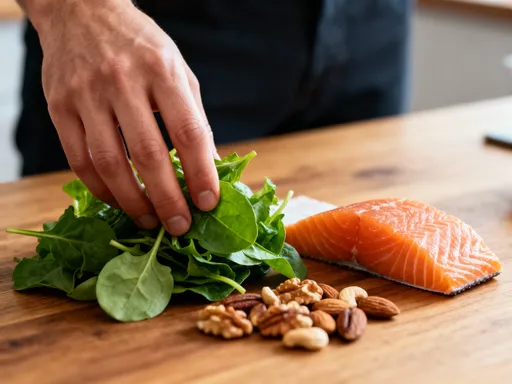
Leafy green vegetables like spinach, kale, and Swiss chard are excellent sources of calcium, magnesium, and vitamin K—all of which contribute to bone density and muscle function. Fatty fish such as salmon, mackerel, and sardines provide omega-3 fatty acids, which have been shown to reduce inflammation and support disc health. Nuts and seeds, including walnuts, flaxseeds, and chia seeds, offer plant-based omega-3s and fiber, helping to stabilize blood sugar and promote gut health. Whole grains like oats, quinoa, and brown rice provide sustained energy and contain B vitamins that support nerve function.
Fruits, especially berries, are rich in antioxidants that protect cells from damage. Their natural sweetness can also help satisfy cravings without the negative effects of refined sugar. Legumes such as lentils and black beans provide plant-based protein and fiber, supporting muscle maintenance and digestive health. Even spices like turmeric and ginger have anti-inflammatory properties that may benefit joint and spinal comfort when used regularly.
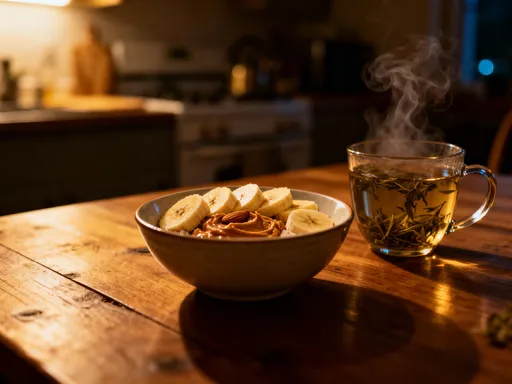
Hydration is another essential component. Water is crucial for maintaining disc hydration, as spinal discs are composed largely of water. Dehydration can reduce disc height and increase the risk of discomfort. Herbal teas, broths, and water-rich foods like cucumbers and melons also contribute to fluid intake. While individual needs vary, aiming for consistent hydration throughout the day supports overall function. The goal is not to achieve perfection, but to create a dietary pattern that consistently supports the body’s needs. Over time, these choices can lead to noticeable improvements in energy, comfort, and resilience.
Putting It All Together: Daily Habits for Lifelong Lower Back Resilience
Protecting your lower back is not about one single action, but about the accumulation of daily choices. Movement, posture, and nutrition work together to create a foundation of strength and flexibility. Gentle exercises like walking, swimming, or yoga help maintain mobility and support core stability. Ergonomic adjustments at home and work—such as using supportive chairs, taking frequent breaks, and lifting with proper form—reduce physical strain. But without nutritional support, these efforts may fall short. The body needs the right materials to repair and maintain itself, and those materials come from food.
It’s important to recognize that no single food or habit will eliminate back pain overnight. Spinal health is a long-term investment, and progress is often gradual. What matters most is consistency. Choosing a piece of fruit over a cookie, cooking a meal with fresh ingredients instead of reaching for a frozen dinner, or drinking an extra glass of water may seem small, but these choices add up. Over months and years, they contribute to a body that is better equipped to handle the demands of daily life.
Every woman’s journey is different, and what works for one person may not work for another. That’s why it’s important to consult with healthcare professionals, such as a doctor, physical therapist, or registered dietitian, for personalized guidance. They can help identify underlying conditions, recommend appropriate exercises, and provide tailored nutrition advice. This is not about blame or perfection, but about empowerment—gaining the knowledge and tools to care for your body in a way that supports long-term well-being.
In the end, lower back health is not just about avoiding pain. It’s about maintaining the freedom to move, to care for loved ones, to enjoy life without limitation. The choices you make today shape the quality of your future. By paying attention to what you eat, how you move, and how you support your body, you are making a quiet but powerful commitment to yourself. It’s not about dramatic changes, but about steady, informed care. And that, more than anything, is the path to lifelong spinal resilience.