How We Protected Our Future While Planning the Wedding of Our Dreams
Planning a wedding should be joyful, not stressful—but when it comes to money, things can get messy fast. I learned this the hard way. What started as a celebration almost became a financial trap. Rising costs, unexpected bills, and pressure to impress almost derailed our plans. That’s when we realized: protecting our future mattered more than a perfect day. This is how we balanced love, life, and smart financial risk management—without sacrificing what truly matters. We didn’t want to begin our marriage with regret, debt, or hidden risks. Instead, we chose to treat our engagement as the start of a shared financial journey. The choices we made weren’t always easy, but they were intentional. And in the end, we walked down the aisle not just with vows, but with clarity, confidence, and a plan that honored both our dreams and our responsibilities.
The Hidden Cost of “I Do”
When we got engaged, the first thing we did was dream big. We imagined a beautiful outdoor ceremony, a candlelit reception, and a guest list full of loved ones. But as we began calling venues and meeting with planners, reality set in. The initial quotes were double what we expected. A simple cocktail hour turned into a $5,000 line item. The photographer wanted a full payment upfront. Even the cake tasting came with a fee. What we didn’t realize at the time was that the emotional weight of the occasion often clouds financial judgment. Saying “yes” to upgrades feels romantic in the moment, but those small decisions add up fast—sometimes exceeding the cost of a new car.
Industry data shows that the average wedding in the United States costs over $30,000, and that number climbs significantly in major cities. Yet most couples start planning without a clear budget or awareness of hidden fees. These include service charges, gratuities, delivery fees, overtime costs for vendors, and even parking for guests. Some venues charge extra for cleanup or require specific vendors, limiting choice and inflating prices. One couple we know paid $1,200 just to rent chairs they didn’t even use because the venue wouldn’t allow outside rentals. These are not outliers—they are common occurrences that catch emotionally invested couples off guard.
Societal expectations also play a powerful role. Social media is filled with curated images of flawless weddings, creating a false benchmark for what a “successful” celebration should look like. There’s pressure to match what friends have done or to impress extended family. This performance mindset shifts focus from meaning to appearance. We felt it too—especially when relatives commented on our guest list size or suggested we “go all out.” But we learned that every dollar spent on appearances is a dollar not saved for the life we’d build together. Recognizing this allowed us to reset our priorities. We asked ourselves: Are we spending to please others, or to honor our future?
By mapping out every potential cost early—even the ones no one talks about—we gained control. We created a detailed spreadsheet that included not just major items like catering and attire, but also taxes, tips, transportation, marriage license fees, and even thank-you card postage. We built in a 10% buffer for surprises, which proved essential when our florist raised prices two months before the event. Awareness didn’t eliminate stress, but it gave us power. Instead of reacting to costs, we could make informed choices. That shift—from emotional spending to intentional planning—was the first step toward financial clarity.
Why Risk Management Starts Before the First Dance
Many couples assume that financial planning begins after the honeymoon. They focus on saving for a house, starting a family, or retirement—goals that feel more “real” than wedding logistics. But we discovered that the engagement period is one of the most important times to assess financial risk. Why? Because major life transitions expose vulnerabilities. A sudden job loss, medical emergency, or family crisis can derail even the most carefully planned wedding. And if you’re already stretched thin financially, recovery becomes much harder.
We saw this firsthand when a close friend had to postpone her wedding after her partner was laid off unexpectedly. They had committed to a venue, paid deposits, and sent invitations—but with no income coming in, they faced tough choices. They eventually downsized the event, but the stress took a toll on their relationship. That story stayed with us. We realized that risk isn’t just about dramatic events—it’s about everyday uncertainties. What if one of us got sick before the wedding and couldn’t work? What if a natural disaster disrupted travel plans? What if a vendor canceled last minute, forcing us to pay premium rates to replace them?
Treating engagement as a financial checkpoint means asking hard questions early. We reviewed our job stability, emergency savings, health coverage, and income reliability. We also considered timing. Getting married during an economic downturn or personal financial strain increases exposure to risk. By evaluating these factors, we could make smarter decisions—like choosing a date when both of us had stable income, or opting for a smaller guest list to reduce financial pressure. We didn’t want to live in fear, but we also didn’t want to be blindsided.
This mindset shift—from celebration-first to resilience-first—changed how we approached every decision. We began to see wedding planning not just as an event, but as a test of our ability to manage money together. It became a rehearsal for future challenges: buying a home, handling medical bills, or supporting aging parents. The habits we built—budgeting, communicating, planning for the unexpected—would serve us far beyond the big day. In fact, the discipline we learned during this time helped us avoid debt and start saving for a down payment within a year of getting married. Risk management didn’t dampen our joy; it deepened our sense of security.
Building Your Financial Safety Net Together
Marriage is often described as a union of hearts, but it’s equally a merger of finances. Before we said “I do,” we knew we needed to build a shared foundation—one that protected both of us without sacrificing independence. We started by creating a joint emergency fund, aiming for three to six months’ worth of living expenses. This wasn’t just for wedding-related risks, but for any future disruption. We agreed that this money would only be used for true emergencies—job loss, medical bills, urgent home repairs—not for last-minute floral upgrades or extra dance lessons.
Deciding how to structure our accounts was one of our first major financial conversations. We chose a hybrid model: joint accounts for shared expenses like rent, utilities, and groceries, while keeping individual accounts for personal spending. This allowed us to maintain autonomy over small purchases while ensuring transparency on larger ones. We set up automatic transfers to both the joint savings and our emergency fund, treating these contributions like non-negotiable bills. This system prevented resentment and made budgeting feel fair.
We also reviewed our debts—student loans, credit cards, and car payments—and created a plan to manage them together. Instead of ignoring these obligations, we made them part of our financial dialogue. We prioritized high-interest debt and explored refinancing options to lower monthly payments. Importantly, we agreed not to take on new debt for the wedding. No financing the honeymoon on a credit card. No borrowing from retirement accounts. These boundaries kept us grounded.
Protecting our credit scores was another priority. We understood that strong individual credit would benefit us in the long run—especially when applying for mortgages or loans. So while we began building shared financial goals, we also continued monitoring our personal credit reports and paying bills on time. We avoided joint credit cards at first, waiting until we had established trust and consistent communication. This cautious approach paid off. When we applied for a mortgage two years later, both of our scores were in excellent standing, qualifying us for the best rates. Building a safety net wasn’t about distrust—it was about mutual respect and long-term strength.
Smart Insurance Moves No One Talks About
Insurance is rarely part of the wedding checklist, but it should be. Most couples focus on health, auto, and renter’s insurance—but there are other protections that matter during engagement and early marriage. We discovered this when a destination wedding we were attending was canceled due to a hurricane. The couple lost thousands in non-refundable deposits. That experience made us realize how vulnerable we were. So we took action.
First, we added short-term disability coverage for both of us. This protects income if one of us becomes too ill or injured to work in the months leading up to the wedding. It’s not glamorous, but it’s practical. If I had broken my leg a month before the ceremony, this policy would have replaced a portion of my income, preventing us from dipping into savings. Similarly, we purchased travel insurance for our own destination wedding. It covered flight cancellations, hotel changes, and even vendor no-shows. The premium was less than 5% of our travel costs, but the peace of mind was priceless.
We also looked into liability insurance, especially since we considered hosting part of the event at a private property. General liability coverage protects against accidents—like a guest slipping on a wet surface or a fire caused by decorations. Without it, we could have been personally liable for medical bills or property damage. We worked with an insurance agent to get a temporary event policy, which was affordable and easy to set up.
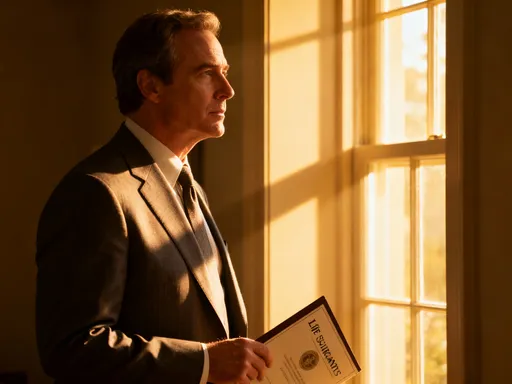
Perhaps the most meaningful step was purchasing term life insurance. It’s a topic many couples avoid, associating it with loss or bad luck. But we saw it differently. Life insurance isn’t about expecting the worst—it’s about protecting the best. If one of us were to pass away, the surviving partner could use the benefit to cover funeral costs, pay off debt, or maintain their standard of living. We chose level-term policies with 20-year coverage, aligning with our long-term goals. The premiums were manageable, and knowing we had this safeguard brought us closer together. It was a promise: “I will take care of you, no matter what.” These insurance choices weren’t driven by fear—they were acts of love and responsibility.
Navigating Family Money: Gifts, Loans, and Boundaries
When my parents offered to cover half the wedding costs, I was touched—but also uneasy. Their generosity came with unspoken expectations. They wanted input on the venue, the menu, even the guest list. We quickly realized that accepting financial help from family can complicate relationships if boundaries aren’t set early. This isn’t about rejecting kindness; it’s about preserving autonomy and preventing future conflict.
We decided to accept a portion of their offer—but with clear terms. Instead of letting them pay vendors directly, we asked for a lump sum gift with no strings attached. This allowed us to maintain control over decisions while still benefiting from their support. We also had an honest conversation about what we could realistically afford on our own. When other relatives asked how they could contribute, we suggested smaller, meaningful gestures—like covering the cost of the welcome bags or the officiant’s fee—rather than large, expectation-laden gifts.
In cases where family members offered loans, we treated them with the same seriousness as bank loans. We drafted simple written agreements outlining the amount, repayment terms, and interest (if any). This might sound overly formal, but it prevents misunderstandings. One couple we know had a falling out with grandparents because a “gift” was later referred to as a loan during a family argument. A written agreement avoids that risk. We also felt comfortable declining offers that didn’t align with our values. When a relative insisted on paying for a luxury limo we didn’t want, we politely explained that we preferred to allocate funds toward our future home.
Emotional intelligence was just as important as financial planning. We learned to listen without reacting, to express gratitude without obligation, and to say “no” with kindness. These conversations weren’t always easy, but they strengthened our relationship. By setting boundaries early, we protected not only our budget but also our peace of mind. We walked into marriage knowing that our financial decisions were ours—not shaped by guilt, pressure, or obligation.
Investment Mindset: Delaying Gratification for Long-Term Gain
One of the most transformative shifts in our planning was changing how we thought about spending. Instead of asking, “Can we afford this?” we started asking, “What are we giving up to have this?” This is the principle of opportunity cost—the idea that every dollar spent on one thing is a dollar not spent on another. When we applied this lens to our wedding budget, priorities shifted dramatically.
We had initially planned a $7,000 live band. But when we calculated that the same amount, invested conservatively, could grow to over $20,000 in 15 years, we reconsidered. We opted for a playlist and a sound system, saving thousands. That money went into a joint retirement account, where it began earning compound interest immediately. Similarly, we scaled back on floral arrangements and used potted plants that we brought home after the event. These weren’t sacrifices—they were reallocations. We weren’t cutting corners; we were investing in our future.
This mindset extended beyond the wedding. We delayed buying a new car and used our savings to pay off credit card debt. We chose an off-peak wedding date, which reduced venue costs by 30%. Every decision was evaluated not just for its immediate impact, but for its long-term benefit. We celebrated milestones differently—like having a small dinner instead of an expensive vacation—but we never felt deprived. In fact, we felt more in control.
The power of compounding made this approach even more compelling. A $5,000 investment at age 30, earning 6% annually, could grow to over $40,000 by age 65. That’s the cost of a modest wedding becoming a significant part of a retirement fund. By redirecting even a portion of wedding spending into long-term assets, couples can build wealth without feeling like they’re missing out. Joy doesn’t come from spending—it comes from alignment. When your actions reflect your values, you feel fulfilled, not guilty.
From Wedding Plans to Lifelong Security
The wedding day was beautiful. We exchanged vows under a canopy of trees, surrounded by loved ones. The photos are precious. But what we remember most is the quiet confidence we felt—not just in our love, but in our choices. We didn’t walk into marriage burdened by debt or fear. Instead, we began with a shared understanding of money, risk, and responsibility. That foundation has carried us through job changes, relocations, and life’s inevitable surprises.
The habits we formed during engagement didn’t end when the wedding was over. We continued budgeting together, saving regularly, and reviewing our goals. We opened a joint investment account and started contributing monthly. We revisited our insurance coverage and adjusted our emergency fund as our expenses grew. These weren’t one-time actions—they became part of our financial rhythm.
Looking back, we realize that the most valuable thing we planned wasn’t the menu or the seating chart. It was our future. By managing risk early, we didn’t just protect our marriage—we strengthened it. We learned to communicate openly, make decisions as a team, and prioritize long-term security over short-term spectacle. These lessons have served us far beyond the altar.
Marriage is not just a celebration. It’s a commitment—to each other, and to the life you build together. And that life deserves more than a perfect day. It deserves a solid foundation. We gave ourselves that gift. And if you’re planning your own wedding, you can too. It’s not about spending less or denying joy. It’s about spending wisely, protecting what matters, and starting your journey with clarity, courage, and care. That’s the greatest legacy you can create—not just for your marriage, but for the decades to come.