How I Built a Smarter Money System Without Losing Sleep
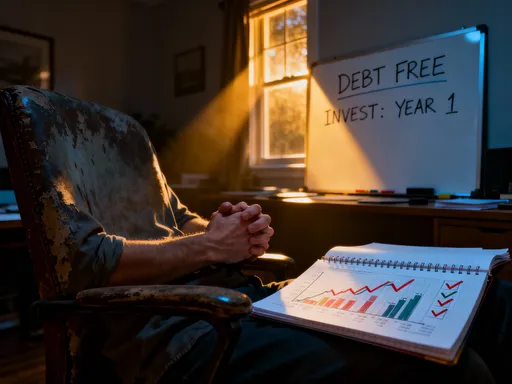
What if managing your money didn’t feel like gambling? I used to chase hot tips and panic when markets dipped—until I built a simple, personal wealth system. It’s not about picking winners, but designing a balanced approach that works whether markets rise or fall. This is how I shifted from stress to strategy, using real techniques that focus on steady growth, risk control, and long-term clarity—all without complex jargon or risky bets. The change didn’t happen overnight. It began with one painful realization: my emotions were running my portfolio, not my goals. Since then, I’ve learned that lasting financial progress isn’t about brilliance or luck. It’s about structure, consistency, and staying the course. This is the story of how I created a smarter money system—and how you can too.
The Wake-Up Call: Why My Old Approach Failed
For years, I treated investing like a game of chance. I watched financial news every morning, scanned headlines for the next big opportunity, and bought stocks that were “on the rise.” When a stock jumped in value, I felt clever. When it dropped, I blamed the market, bad timing, or outside forces. But the truth was far less comfortable: I was reacting, not planning. My decisions were driven by emotion—fear, greed, and the desire for quick validation. I didn’t have a strategy. I had a collection of impulses disguised as intention.
Everything changed during a market correction in 2018. I had poured a significant portion of my savings into a few high-growth tech stocks based on analyst buzz and social media chatter. For a few months, the portfolio soared. I even bragged to friends about my “instincts.” Then, within three weeks, the sector cooled, and my holdings lost nearly 30% of their value. The loss wasn’t just financial—it was emotional. I lost sleep. I questioned my judgment. Most importantly, I realized I had no plan for what to do when things went wrong. I had never defined what “wrong” even meant.
That experience forced me to confront a hard truth: reactive investing is not investing at all. It’s speculation. And speculation, especially without experience or discipline, often leads to losses. I began reading more about long-term wealth building, not for shortcuts, but for principles. I discovered that most successful investors don’t win by picking the next Amazon. They win by avoiding costly mistakes, managing risk, and staying consistent over time. The market wasn’t the problem. My approach was.
I started asking myself better questions. What was I really trying to achieve? Was this money for retirement, a home, or my children’s education? How long could I afford to leave it invested? And most importantly, how much volatility could I tolerate without panicking? These weren’t just financial questions—they were personal ones. Understanding my goals and emotional limits became the foundation of my new system. Without that clarity, no strategy could work.
Designing Your Financial Ecosystem: What a Real System Looks Like
After my wake-up call, I realized I needed more than a new set of investments. I needed a complete financial ecosystem—a structured, repeatable process that could guide my decisions regardless of market noise. I began to think of my finances not as a collection of accounts, but as an interconnected system, like a garden that needs regular care, the right conditions, and protection from storms.
A financial ecosystem isn’t about chasing performance. It’s about creating stability. It includes clear goals, automatic savings, diversified investments, and predefined rules for action. I started by writing down my financial objectives: retirement in 20 years, a vacation fund, and an emergency reserve. Each goal had a timeline, a target amount, and a designated account. This simple act brought focus. Instead of reacting to market swings, I could ask, “Does this decision move me closer to my goal?”
I then set up automatic transfers from my checking account to my investment and savings accounts. This ensured consistency, even when I was busy or unmotivated. Automation removed emotion from the equation. I wasn’t deciding each month whether to save—I was simply following a rule I had set in advance. Over time, this small habit generated momentum. Money grew not because I was brilliant, but because I was consistent.
I also created simple rules for myself. For example, I decided never to invest more than 10% of my portfolio in a single stock. I set a rule to review my portfolio only once per quarter, not daily. And I committed to never making a trade based on a news headline. These boundaries protected me from impulsive decisions. They turned financial management from a source of stress into a structured practice. The system wasn’t perfect, but it was mine—and it was working.
Asset Allocation: Your Portfolio’s Backbone
One of the most important lessons I learned was that asset allocation—how you divide your money among different types of investments—is more important than individual stock picks. Research from institutions like Vanguard has shown that over 80% of portfolio returns come from asset allocation, not stock selection. That was a game-changer for me. I stopped trying to find the next big winner and started focusing on building a balanced foundation.
Asset allocation is like the skeleton of your portfolio. It supports everything else. A well-structured mix helps you earn returns while managing risk. For me, this meant dividing my investments among stocks, bonds, and cash equivalents based on my goals and risk tolerance. Since I was investing for the long term but wanted to avoid extreme volatility, I chose a moderate allocation: 60% in a broad stock index fund, 30% in bond funds, and 10% in cash or money market funds.
I didn’t invent this mix. It’s a classic example of a balanced portfolio, often recommended for investors in their 40s and 50s. As I get closer to retirement, I plan to gradually shift more toward bonds and cash. This age-based adjustment is a simple but effective way to reduce risk over time. The key is alignment: your allocation should match your time horizon and emotional comfort level. If a 50% drop in stocks would make you sell in a panic, then a 60% stock allocation might be too aggressive—even if the math suggests higher long-term returns.
Another critical part of asset allocation is rebalancing. Over time, some investments grow faster than others, throwing your original mix off balance. For example, if stocks perform well, they might grow from 60% to 70% of your portfolio, increasing your risk. Rebalancing means selling some of the overperforming assets and buying more of the underperforming ones to return to your target. I do this once a year. It forces me to “buy low and sell high” in a disciplined way, without emotion. It’s not exciting, but it’s effective.
Risk Control: Protecting What You’ve Built
Early in my journey, I thought risk was something to beat—to overcome with clever trades or perfect timing. Now I see it differently. Risk isn’t the enemy. It’s a fact of investing. The goal isn’t to eliminate it, but to understand and manage it. I’ve learned that protecting your capital is just as important as growing it. In fact, avoiding large losses is often the fastest path to long-term success.
One of the most effective tools I use is diversification. Instead of putting all my money into one stock or sector, I spread it across different asset classes, industries, and regions. This doesn’t guarantee gains, but it reduces the impact of any single failure. If one company struggles, the rest of the portfolio can still perform well. I use low-cost index funds to achieve broad diversification without needing to pick individual winners.
I also pay close attention to position sizing. This means limiting how much I invest in any single holding. My rule is no more than 10% in a single stock and no more than 25% in any one sector. This prevents any one decision from having an outsized impact on my overall results. It’s a safeguard against overconfidence and unexpected events.
Mental discipline is another layer of protection. I’ve trained myself to view market dips not as disasters, but as part of the cycle. I don’t try to time the market. Instead, I stick to my plan. When prices fall, I check my allocation. If I’m underweight in stocks, I may buy more. This turns volatility from a threat into an opportunity. Risk control isn’t about fear—it’s about respect for uncertainty and preparation for the unexpected.
Practical Moves: Daily Habits That Compound
One of the biggest surprises in my financial journey has been how much small, consistent habits matter. I used to think big decisions—like choosing the right stock or timing a market entry—would make the difference. But in reality, it’s the daily and monthly routines that build lasting wealth. These aren’t flashy moves. They’re quiet, repeatable actions that compound over time.
My first habit is automatic saving. Every payday, a fixed percentage of my income goes directly into my investment and savings accounts. I don’t wait to see what’s left at the end of the month. I pay myself first. This ensures that saving isn’t optional—it’s automatic. Over five years, this simple step has contributed more to my net worth than any single investment gain.
Another habit is regular review. I check my financial statements and portfolio performance once every quarter. I don’t obsess over daily fluctuations. Instead, I look for trends, confirm that my allocations are still on target, and make adjustments if needed. This quarterly check-in takes less than an hour, but it keeps me informed and in control.
I also avoid impulsive trades. I’ve learned to pause before making any financial decision. If I hear about a “hot” investment, I wait 48 hours. In almost every case, the urge to act fades. This cooling-off period has saved me from several costly mistakes. I’ve replaced reaction with reflection.
Finally, I track my progress toward goals. I keep a simple spreadsheet that shows my savings rate, investment growth, and distance to each financial target. Seeing progress—not just in dollars, but in milestones—keeps me motivated. These habits don’t require expert knowledge or hours of effort. They require consistency. And consistency, over time, becomes transformation.
When Markets Shake: Staying Calm with a Plan
Markets will always have ups and downs. That’s not a flaw—it’s a feature. What changed for me wasn’t the market. It was my response to it. Before I had a system, a 5% drop felt like a crisis. Now, I see it as normal. Volatility is the price of admission for long-term growth. The key is having a plan that keeps you grounded when emotions run high.
When markets decline, my first step is to review my financial plan. I look at my goals, time horizon, and asset allocation. If nothing has changed, I stay the course. I remind myself that downturns are temporary and often followed by recoveries. Historically, the market has always recovered from losses, though the timing is never certain. My plan is built for the long term, not the next six months.
Sometimes, a market dip presents an opportunity. If my stock allocation has fallen below my target due to price drops, I may invest more to rebalance. This means buying assets when they’re on sale—a simple but powerful way to improve long-term returns. I don’t try to predict the bottom. I just follow my rules.
I also limit my exposure to financial news during turbulent times. Constant updates amplify fear and create a sense of urgency that doesn’t serve me. I stay informed, but I don’t let noise drive my decisions. Instead, I focus on what I can control: my savings rate, my spending, and my discipline. A plan doesn’t prevent market swings, but it prevents panic. And that makes all the difference.
Building Wealth Without Obsession: The Long Game
Looking back, the most valuable part of my financial journey hasn’t been the growth in my account balances. It’s the peace of mind I’ve gained. I no longer check my portfolio daily. I don’t lose sleep over market news. I don’t feel the need to chase every trend. My system works in the background, quietly doing its job, while I focus on living my life.
True wealth isn’t just about money. It’s about freedom—the freedom to make choices without financial fear, the freedom to spend time with family, and the freedom to pursue what matters. My approach isn’t designed for overnight riches. It’s built for steady, sustainable progress. It’s not exciting, but it’s reliable. And reliability, over decades, creates real results.
I’ve learned that success comes from focusing on the process, not the outcome. I can’t control the market, but I can control my habits, my discipline, and my long-term vision. By designing a system that aligns with my goals and temperament, I’ve turned financial management from a source of stress into a source of confidence.
You don’t need to be a Wall Street expert to build wealth. You need clarity, consistency, and a plan. Start small. Define one goal. Set up one automatic transfer. Learn one principle at a time. Over time, these steps add up. The power of compounding isn’t just for money—it’s for knowledge, habits, and confidence. Building a smarter money system isn’t about perfection. It’s about progress. And it’s never too late to begin.